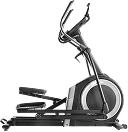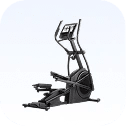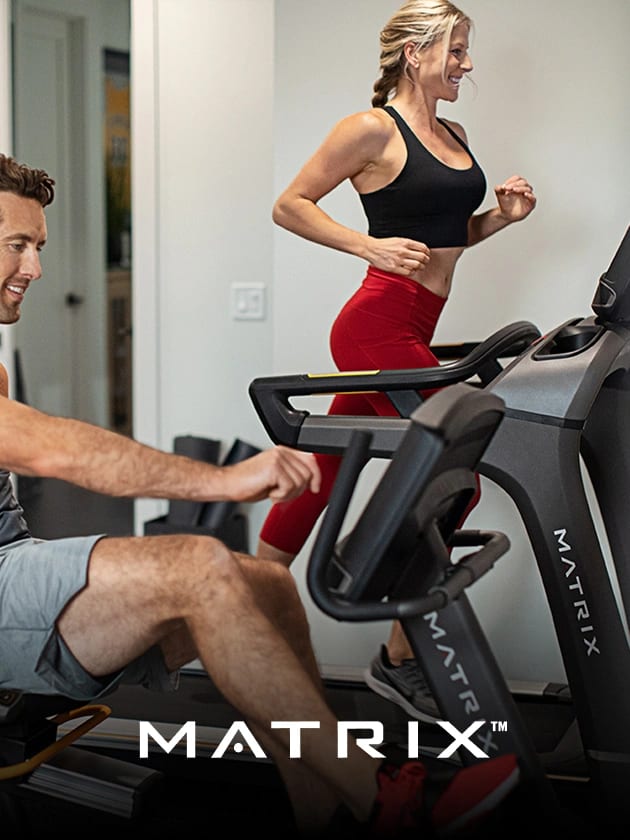



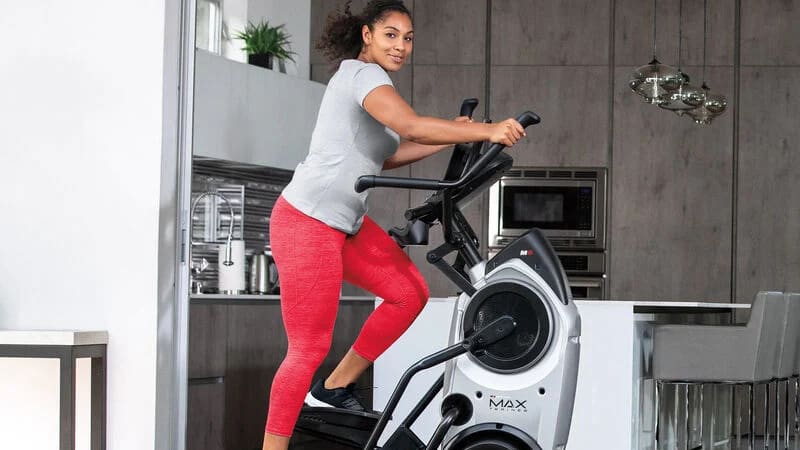
Elliptical trainers have become one of the most effective cardio machines for individuals looking to improve fitness while minimizing impact on the joints. Whether your goal is losing weight, increasing endurance, improving cardiovascular health, or simply staying active, an elliptical trainer offers a versatile solution that accommodates all fitness levels. Unlike high-impact cardio exercises that place repeated stress on the knees and ankles, elliptical training provides a smooth, low-impact movement pattern that allows users to exercise comfortably while still achieving impressive results.
Many people purchase an elliptical trainer with good intentions but struggle to create structured workout plans. Without a plan, workouts often become repetitive and progress slows. A properly designed training plan helps users burn more calories, improve endurance, and stay motivated over the long term. By understanding how to use resistance, workout duration, and intensity effectively, individuals can transform simple cardio sessions into highly productive fitness routines.
Why Elliptical Training Is Effective for Fat Burn
Fat loss occurs when the body consistently uses more energy than it consumes. Elliptical training contributes to this process by increasing calorie expenditure while engaging multiple muscle groups simultaneously. The combination of upper-body and lower-body involvement helps create a comprehensive workout that elevates heart rate and supports calorie burning. Because elliptical workouts are low impact, many users can exercise longer than they might on other cardio machines. These longer sessions often lead to greater overall energy expenditure, which can support sustainable fat-loss goals when combined with proper nutrition.
Why Endurance Matters for Overall Fitness
Endurance is the body's ability to sustain physical activity over extended periods. Improved endurance makes everyday activities easier while supporting better athletic performance and overall health. When endurance increases, the heart becomes more efficient at delivering oxygen to working muscles. This means users can exercise longer, recover faster, and perform daily activities with less fatigue. Elliptical training provides an excellent platform for endurance development because workout intensity can be adjusted gradually as fitness improves.
Understanding Heart Rate Zones
One of the most important aspects of elliptical training is understanding workout intensity. Different intensity levels create different training adaptations. Lower-intensity sessions are often used for recovery and longer-duration workouts, while moderate and higher-intensity sessions help improve cardiovascular fitness and calorie expenditure. Monitoring effort levels helps ensure workouts remain aligned with specific goals. While users do not need to obsess over numbers, understanding workout intensity can improve training efficiency and support better long-term results.
Also Read: Elliptical vs Treadmill: Which Cardio Machine Is Better for Your Fitness Goals?
Building a Foundation During the First Month
Beginners should focus on building consistency before worrying about advanced training methods. During the first month, the primary goal is to establish a routine and become comfortable using the machine. Three to five workouts per week lasting 20 to 30 minutes each can provide an excellent starting point. Workouts should feel challenging enough to elevate the heart rate but comfortable enough to maintain good posture and smooth movement throughout the session. Developing consistency during this phase creates the foundation for future progress.
Steady-State Training for Fat Burn
Steady-state training involves maintaining a consistent pace and resistance level throughout the workout. This style of training is particularly effective for beginners because it is simple to follow and easy to recover from. During a steady-state session, users maintain a pace that allows conversation but still feels moderately challenging. These workouts help improve aerobic fitness while contributing to calorie expenditure. Regular steady-state sessions also build the endurance required for more advanced training later.
Interval Training for Increased Calorie Burn
Interval training alternates between periods of higher effort and lower-intensity recovery. This variation creates a greater training stimulus while keeping workouts engaging. A simple interval workout might involve one minute of higher-intensity effort followed by two minutes of moderate recovery. Repeating this pattern throughout a session helps challenge the cardiovascular system and increase overall workout demand. Many users find interval training enjoyable because the changing pace makes time pass more quickly while creating a greater sense of accomplishment.
Resistance-Based Elliptical Workouts
Many people underestimate the importance of resistance when using an elliptical trainer. Resistance is one of the most effective ways to increase workout intensity without dramatically increasing speed. Higher resistance levels require greater muscular effort, particularly from the glutes, quadriceps, hamstrings, and calves. Resistance-focused workouts help improve muscular endurance while increasing calorie expenditure. By gradually increasing resistance over time, users can continue progressing and avoid workout plateaus.
Endurance Workouts for Long-Term Progress
Endurance-focused workouts prioritize longer durations rather than maximum intensity. These sessions teach the body to sustain activity efficiently while strengthening the cardiovascular system. Endurance workouts often involve moderate resistance levels and a comfortable pace maintained for 30 to 60 minutes. Over time, these longer sessions help improve stamina and increase confidence. Many users notice that activities such as walking, climbing stairs, and recreational sports become easier as endurance improves.
Weekly Fat-Burn Training Plan
A balanced fat-burn plan typically includes a mixture of steady-state and interval training. One day might focus on moderate-intensity steady-state cardio, while another incorporates intervals. This combination helps increase calorie expenditure while preventing workouts from becoming repetitive. Recovery days remain important because they allow the body to adapt and prepare for future sessions. A balanced weekly plan creates enough challenge to promote progress while remaining sustainable over the long term.

Weekly Endurance Training Plan
Endurance plans prioritize gradually increasing workout duration. Users may begin with 20-minute sessions and slowly progress toward 40- or 60-minute workouts over several weeks. Consistent progression is more important than dramatic increases. By extending workout duration gradually, users improve cardiovascular efficiency while minimizing excessive fatigue. This method allows endurance improvements to occur naturally without creating unnecessary strain.
Why Recovery Is Essential
Many individuals believe more exercise always produces better results. In reality, recovery is an important part of fitness development. Recovery allows the body to repair tissues, restore energy levels, and adapt to training demands. Without adequate recovery, progress may slow and motivation can decline. Incorporating lighter workouts and rest days into an elliptical training plan helps support long-term consistency and reduces the risk of burnout.
Combining Fat Burn and Endurance Goals
Many users want to improve endurance and lose body fat simultaneously. Fortunately, elliptical training can support both objectives. Combining steady-state sessions, interval workouts, and resistance-focused training creates a balanced program that addresses multiple fitness goals. This variety keeps workouts engaging while providing comprehensive physical benefits. Rather than focusing exclusively on one goal, many users achieve excellent results by incorporating different training styles throughout the week.
Home Elliptical Training Plans
Home elliptical trainers provide exceptional convenience, making it easier to maintain consistency. A structured plan becomes especially valuable in a home environment because it helps users avoid simply repeating the same workout every day. Home users should vary resistance levels, workout durations, and training styles throughout the week. This variety helps maintain motivation and ensures continued progress. The accessibility of home equipment often leads to more frequent workouts, which can significantly improve long-term results.
Commercial Elliptical Training Plans
Commercial elliptical trainers often provide advanced features such as extensive resistance ranges, guided workout programs, and detailed performance tracking. These features can help users create more sophisticated training plans. Commercial environments also offer access to fitness professionals who can provide guidance and recommendations. For individuals seeking structured progression and advanced workout options, commercial ellipticals offer valuable opportunities for continued development.
Tracking Progress Effectively
Progress should be measured using multiple indicators rather than relying solely on body weight. Improvements in workout duration, resistance levels, recovery speed, endurance, and energy levels all represent meaningful achievements. Tracking these metrics helps users recognize progress that might otherwise go unnoticed. Celebrating these improvements helps maintain motivation and reinforces the value of consistent training.
Common Mistakes to Avoid
One common mistake is performing the same workout repeatedly without increasing intensity or duration. Another is relying exclusively on speed while ignoring resistance adjustments. Some users also neglect recovery and attempt to exercise intensely every day. Avoiding these mistakes helps maintain progress and reduces the likelihood of frustration. Effective training plans emphasize gradual progression, balanced intensity, and adequate recovery.
Why Consistency Produces the Best Results
Fitness success rarely depends on any single workout. Instead, results come from consistent effort performed over weeks, months, and years. Elliptical training supports consistency because it is comfortable, adaptable, and suitable for a wide range of fitness levels. The ability to exercise regularly without excessive joint stress makes the elliptical trainer an excellent long-term fitness tool. Users who remain consistent typically experience significant improvements in both endurance and body composition over time.
How Progressive Overload Improves Elliptical Results
One of the most important concepts in any fitness program is progressive overload. This simply means gradually increasing the demands placed on the body over time. When using an elliptical trainer, progressive overload can be achieved by increasing resistance levels, extending workout duration, increasing stride speed, or introducing interval training. Many users stop seeing progress because they continue performing the exact same workout week after week. The body adapts quickly to repeated exercise patterns. By making small adjustments every few weeks, users can continue improving endurance, increasing calorie expenditure, and enhancing overall fitness. Progressive overload does not require dramatic changes. Even small increases in workout difficulty can produce significant long-term results.
Read: Abu Dhabi Inspires Initiatives
Using Resistance to Target More Muscle Groups
Resistance is often one of the most underutilized features on an elliptical trainer. Many users focus entirely on speed, believing faster movement automatically creates a better workout. While speed plays a role, resistance often has a greater impact on workout effectiveness. Higher resistance levels require greater effort from the glutes, quadriceps, hamstrings, calves, and core muscles. This increased muscular involvement helps create a more demanding workout while supporting endurance development. Resistance-based training can also help users avoid boredom by creating new challenges without requiring longer workout durations.
How Incline Changes Can Increase Fat Burn
Some elliptical trainers include adjustable incline settings that alter the angle of movement. Incline adjustments can significantly change muscle activation patterns during a workout. Higher incline settings often place greater emphasis on the glutes and hamstrings while increasing overall workout intensity. Incorporating incline changes throughout a session creates variety and challenges the body in different ways. Users pursuing fat-loss goals often benefit from combining incline adjustments with resistance changes because this combination increases overall energy expenditure and prevents workouts from becoming repetitive.
The Importance of Warm-Ups Before Every Workout
Many exercisers are eager to begin their workouts immediately and skip the warm-up phase. However, a proper warm-up prepares the body for exercise by gradually increasing blood flow, elevating heart rate, and loosening the muscles. Spending five minutes at a comfortable pace before increasing intensity helps improve workout performance and reduces the likelihood of discomfort. A proper warm-up also allows users to focus on posture and movement quality before beginning more challenging segments of the workout. This small investment of time can improve both safety and effectiveness.
Why Cool-Downs Should Not Be Ignored
Just as warm-ups prepare the body for exercise, cool-downs help the body transition back to a resting state. Ending a workout abruptly may leave users feeling lightheaded or fatigued. Gradually reducing workout intensity during the final few minutes helps normalize heart rate and promotes recovery. Cool-down periods also provide an opportunity to reflect on workout performance and prepare mentally for the next session. Including a cool-down in every workout helps create a more complete and balanced training experience.
How Elliptical Training Supports Active Recovery
Not every workout needs to be intense. Active recovery sessions involve lower-intensity exercise designed to promote movement without creating excessive fatigue. Elliptical trainers are ideal for active recovery because they provide smooth, low-impact movement that supports circulation while minimizing stress on the body. On recovery days, users can perform shorter sessions at comfortable resistance levels. These workouts help maintain activity levels while allowing the body to recover from more demanding training sessions.
Improving Mental Endurance Through Consistent Training
Endurance is not only physical. Mental endurance plays a major role in long-term fitness success. Consistently completing elliptical workouts helps develop discipline, patience, and resilience. Many users discover that as they become more physically capable, they also become more confident in their ability to overcome challenges. The habit of showing up regularly for workouts strengthens both physical and mental performance. This confidence often extends into other areas of life, creating benefits that go far beyond fitness alone.
Why Variety Prevents Workout Boredom
One reason people abandon fitness routines is boredom. Repeating the same workout every day can reduce motivation and make exercise feel like a chore. Variety helps keep workouts interesting and engaging. Elliptical users can vary resistance levels, workout durations, interval structures, and intensity levels to create new challenges. Some workouts may focus on endurance, while others emphasize calorie burning or recovery. This variety keeps training fresh and helps maintain long-term commitment to fitness goals.

Setting Realistic Fat-Loss Expectations
Many people begin cardio programs expecting immediate results. While some progress may occur quickly, sustainable fat loss usually happens gradually. Elliptical training should be viewed as part of a long-term strategy rather than a short-term solution. Consistent workouts performed over months often produce more meaningful results than aggressive programs followed for only a few weeks. Setting realistic expectations helps reduce frustration and encourages a healthier relationship with fitness. Progress may not always be visible immediately, but regular effort eventually leads to significant improvements.
Creating a Lifestyle Instead of Following a Program
The most successful fitness journeys occur when exercise becomes part of daily life rather than a temporary project. Elliptical training supports this mindset because it is accessible, adaptable, and suitable for people of all fitness levels. Instead of focusing solely on completing a workout plan, users should focus on building habits that can be maintained indefinitely. Regular movement, balanced nutrition, adequate recovery, and consistent effort form the foundation of long-term success. When fitness becomes a lifestyle rather than a short-term goal, results tend to be more sustainable and rewarding.
How Elliptical Training Improves Cardiovascular Health
One of the biggest benefits of following a structured elliptical training plan is the positive impact it has on cardiovascular health. Every workout challenges the heart and lungs to work more efficiently. As training becomes consistent, the heart becomes stronger and can pump more blood with each beat. This improved efficiency means oxygen and nutrients reach the muscles more effectively during exercise and daily activities. Many users notice that they feel less breathless when climbing stairs, walking long distances, or participating in recreational activities. These improvements not only support endurance goals but also contribute to long-term health and overall well-being.
Why Calorie Burn Varies Between Individuals
Many people ask how many calories they can burn on an elliptical trainer. The answer varies because calorie expenditure depends on several factors, including body weight, workout intensity, resistance levels, fitness level, and workout duration. Two people performing the same workout may burn different amounts of energy. Instead of focusing exclusively on calorie numbers, users should concentrate on maintaining consistent effort and following their training plan. Over time, regular workouts create the cumulative energy expenditure necessary to support fat-loss goals. Consistency remains far more important than any single workout statistic.
Using Longer Workouts to Improve Endurance
As fitness improves, gradually increasing workout duration becomes an effective way to build endurance. Someone who begins with 20-minute sessions may eventually progress to 30, 40, or even 60-minute workouts. These longer sessions challenge the cardiovascular system and teach the body to sustain effort for extended periods. Endurance-focused workouts are particularly beneficial for individuals who participate in recreational sports, hiking, cycling, or other activities requiring prolonged physical effort. The key is increasing duration gradually so the body has time to adapt without excessive fatigue.
How Recovery Supports Fat Loss
Many people underestimate the importance of recovery when pursuing fat-loss goals. While workouts create the stimulus for change, recovery is when the body adapts to those challenges. Inadequate recovery can lead to fatigue, reduced workout quality, and decreased motivation. Recovery does not mean becoming inactive. Light movement, stretching, walking, and low-intensity elliptical sessions can all support recovery while maintaining activity levels. Balancing training intensity with adequate recovery helps users remain consistent and continue progressing toward their goals.
Why Muscle Endurance Matters
Elliptical training does more than improve cardiovascular fitness. It also develops muscular endurance throughout the lower body and, to some extent, the upper body. Every stride requires repeated effort from the glutes, quadriceps, hamstrings, calves, and core muscles. Over time, these muscles become more resistant to fatigue. Improved muscular endurance allows users to maintain higher levels of activity without becoming exhausted. This benefit extends beyond exercise and can improve performance during everyday tasks and recreational activities.
The Role of Posture During Elliptical Workouts
Proper posture plays an important role in workout effectiveness. Many users lean excessively on the handlebars or hunch their shoulders while exercising. These habits can reduce workout efficiency and create unnecessary tension. Maintaining an upright posture with relaxed shoulders and an engaged core helps distribute effort more effectively throughout the body. Good posture also supports comfortable breathing and encourages proper movement mechanics. Small adjustments in posture can significantly improve both comfort and workout quality.
How Goal Setting Improves Motivation
Fitness goals provide direction and help users stay focused on long-term progress. Rather than setting vague objectives such as "getting fit," users often benefit from establishing measurable goals. Examples might include completing four workouts per week, increasing workout duration by ten minutes over the next month, or reaching a specific resistance level. Clear goals create a sense of purpose and provide motivation during periods when enthusiasm may naturally fluctuate. Tracking progress toward these goals reinforces positive habits and encourages continued effort.
Why Consistent Scheduling Matters
One of the easiest ways to maintain an elliptical training plan is by scheduling workouts in advance. Treating exercise like an important appointment reduces the likelihood of skipping sessions. Whether workouts occur in the morning, afternoon, or evening, consistency in scheduling helps transform exercise into a routine. Over time, the habit becomes automatic and requires less motivation to maintain. Structured scheduling is often one of the simplest yet most effective strategies for long-term fitness success.
Combining Different Workout Styles
The most effective elliptical training plans often combine multiple workout styles throughout the week. Steady-state sessions build aerobic fitness and endurance. Interval workouts challenge the cardiovascular system and increase calorie expenditure. Resistance-focused sessions improve muscular endurance and workout variety. Recovery workouts help maintain activity levels while supporting adaptation. This balanced approach prevents boredom, reduces the risk of overtraining, and creates a more comprehensive fitness program. Variety also helps ensure that different aspects of fitness continue improving simultaneously.
Why Patience Produces Better Results
Modern fitness culture often promotes rapid transformations and unrealistic expectations. In reality, meaningful fitness improvements take time. Endurance develops gradually, fat loss occurs through consistent habits, and long-term health benefits accumulate over months and years. Users who remain patient and committed to their training plans are often rewarded with more sustainable results. Rather than focusing on immediate outcomes, successful individuals concentrate on daily actions and trust the process. Small improvements repeated consistently eventually create remarkable changes.
Creating Lifelong Fitness Habits
The ultimate goal of an elliptical training plan should extend beyond temporary results. The most valuable outcome is developing habits that support lifelong health and wellness. Regular exercise improves energy levels, cardiovascular health, endurance, confidence, and overall quality of life. By integrating elliptical workouts into a sustainable lifestyle, users create a foundation for long-term success. Whether the initial goal is fat loss, endurance development, or general fitness, the habits formed through consistent training often become the most important achievement. A structured elliptical training plan is not simply a way to improve fitness today; it is a tool for maintaining health and vitality for years to come.
Conclusion
Elliptical training plans can be highly effective for improving both fat burn and endurance. By combining steady-state workouts, interval training, resistance-based sessions, and proper recovery, users can create balanced routines that support multiple fitness goals simultaneously. Whether training at home or in a commercial facility, the key to success lies in consistency, gradual progression, and maintaining a structured plan. Over time, these habits lead to improved cardiovascular fitness, increased endurance, better energy levels, and sustainable long-term results.
If you are looking to buy other fitness machines or accessories, look no further! Explore our range of fitness products like treadmills, elliptical cross trainers, exercise bikes, rowing machines, home gym, functional trainer, multi-station, power towers, smith machines, dumbbells, foosball tables, pool tables, and table tennis.


 0
0