


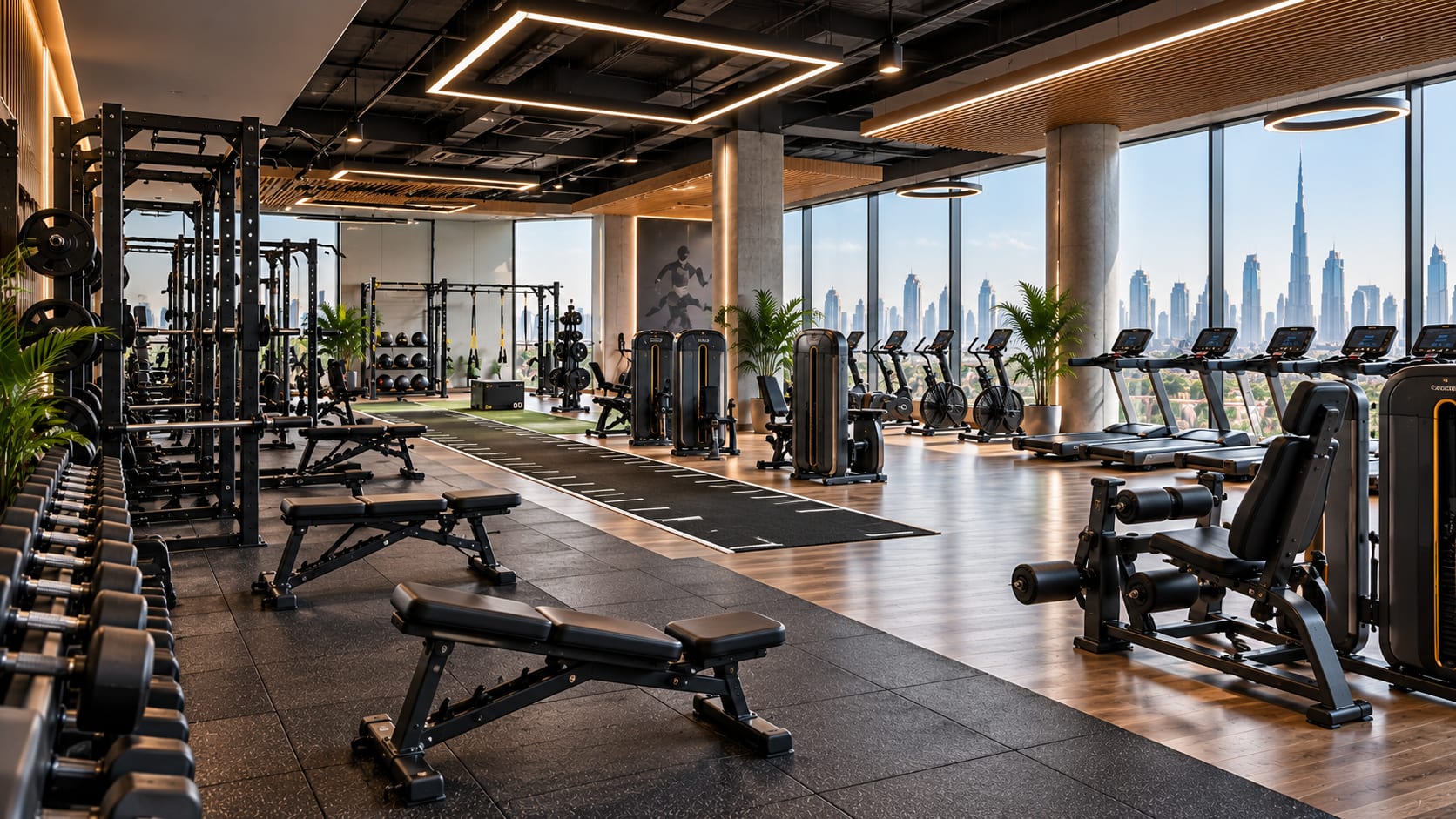
Setting up a commercial gym is no small task. It involves meticulous planning and dedicated calculation, apart from a know-how on technicalities. It is not just about placing a few treadmills, benches and dumbbells inside a large room. A well-designed gym requires stringent planning from the beginning. The equipment should fit the space, users should be able to move around comfortably, and the layout should make sense for numerous types of workouts.
Commercial gym owners should seriously approach aspects like delivery, installation, flooring, air conditioning, maintenance and the type of members they intend to attract.
Be it a new fitness centre, or upgrading an existing gym or converting a large space into a training centre, planning the complete setup before purchasing equipment saves ample time and money.
This blog explains some of the integral points to consider when planning a commercial gym setup, including capacity, layout, equipment mix, flooring, delivery, installation and maintenance.
Identify the Concept Behind Your Gym
To begin with, you need to be sure of the kind of gym you plan to create. There is no universal equipment list that is likely to work for all commercial gyms. For instance, a small fitness centre may need a different setup from a premium health centre, personal training studio or bodybuilding gym.
Before creating a layout, ask the following questions to yourself:
- Who are your target members?
- How much space do you have?
- What type of training will you offer?
- How many members do you expect?
- Will you provide personal training?
- Will the gym have separate areas for men and women?
- Do you plan to offer group classes?
- What is your equipment budget?
A gym intended for general fitness may need a right mix of cardio, strength and functional equipment. A bodybuilding-focused gym may need more free weights, benches and plate-loaded machines.
On the other hand, a personal training centre may need more open space, functional equipment and fewer large machines. So, you need to have a thorough idea about the concept before making the equipment list.
Understanding the Available Space for a Commercial Gym
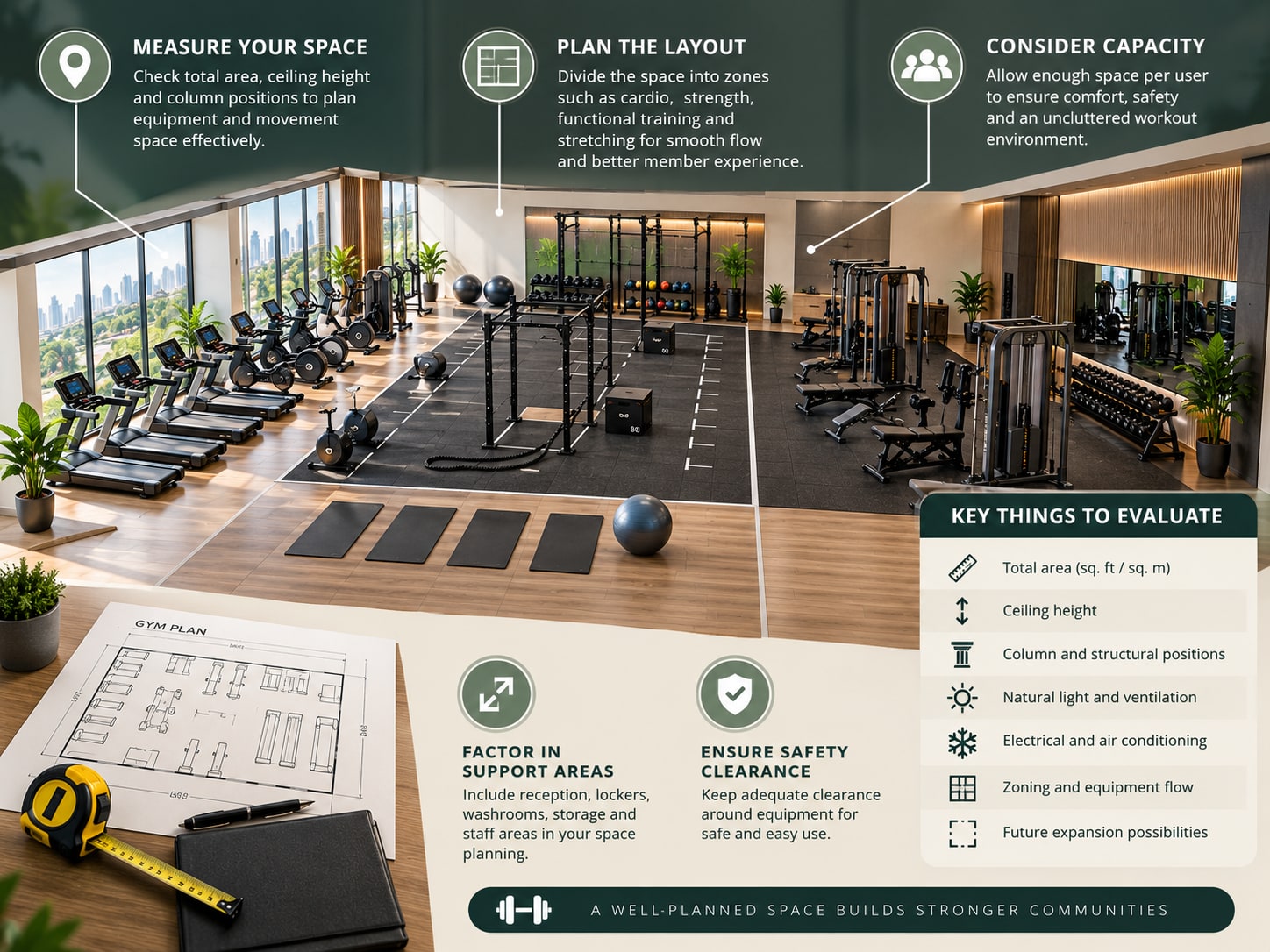
Once you are adept with the concept, think practically about the space. Always measure the total floor area and note the position of the following aspects:
- Entrances
- Emergency exits
- Windows
- Pillars
- Staircases
- Toilets
- Changing rooms
- Reception
- Storage areas
- Electrical points
- Air-conditioning units
Never make the mistake of assuming that the complete area would be available for placing equipment. It is basic knowledge to understand that some areas need to remain open for walking, access and safety.
For example, having a 5,000-square-foot space does not mean you get to utilize the entire area for machines. Reception, changing rooms, circulation areas, storage and other facilities consume quite a lot of space.
Planning the Gym Capacity in Advance
Capacity plays an important factor in commercial gym planning. You need to keep in mind the number of members who are likely to use the gym at the same time rather than looking at the total membership number.
A gym may have hundreds or registered members, but only a few of them may be training around the same time. The machines in a gym should be able to handle peak usage at any given time.
This is really important for popular equipment that will have many takers. If there is only one bench press station in a gym and several members want to use it during a peak time, the equipment mix may not work well. The same logic applies to equipment like:
- Treadmills
- Exercise bikes
- Cable machines
- Leg presses
- Benches
- Squat racks
Planning a Clear Layout for Commercial Gym
Having a good layout makes a commercial gym easier to use. Members should be able to move from one area to another without disturbing others’ workout sessions. A practical approach to achieve this is to divide the gym into various zones as listed below.
Cardio Zone
This can include:
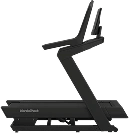
- Treadmills
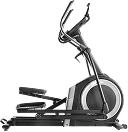
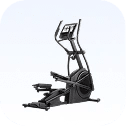
- Ellipticals
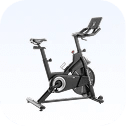
- Exercise bikes
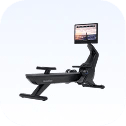
- Rowing machines
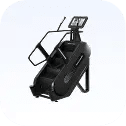
- Stair climbers
Strength Zone
This can include:
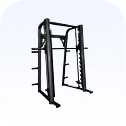
- Smith machines
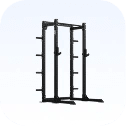
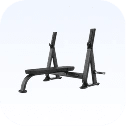
- Power racks
- Squat racks
- Benches
- Barbells
- Weight plates
Machine Zone
This is where you can place:
- Chest press
- Shoulder press
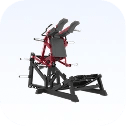
- Leg press
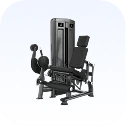
- Leg extension
- Leg curl
- Lat pulldown
- Seated row
Free-Weight Zone
This area can contain:
- Dumbbells
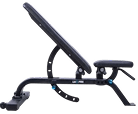
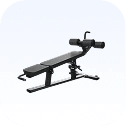
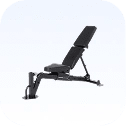
- Adjustable benches
- Kettlebells
- Dumbbell racks
Functional Training Zone
This could include:
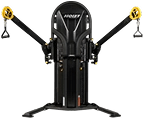
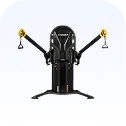
- Functional trainers
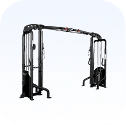
- Cable machines
- Kettlebells
- Medicine balls
- Resistance bands
- Open floor space
Stretching and Mobility Area
Keep a section open for:
- Mats
- Stretching
- Mobility work
- Warm-ups
- Cool-downs
Dividing the gym into different zones will enable members to work efficiently without any hassles .
Consider Traffic Flow Seriously in a Commercial Gym
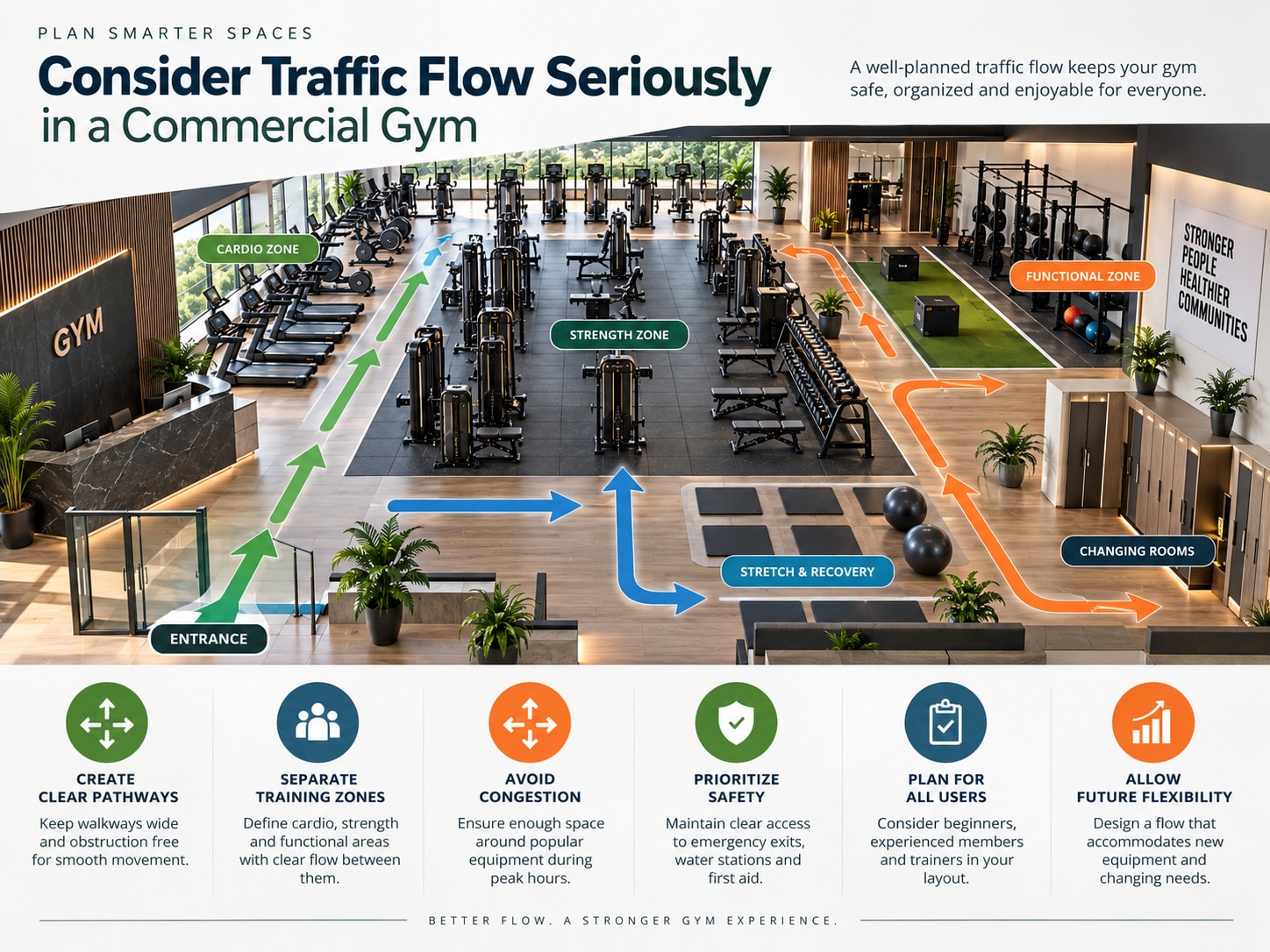
Traffic flow is nothing, but people’s movements in a gym. This may sound simple, but skipping this part while making a layout will have adverse effects on the member experience.
Imagine a dumbbell rack placed behind a bench. Every time someone picks up a dumbbell, they may have to walk through another person's workout area. Similarly, placing treadmills too close to a main walkway can create unnecessary congestion.
Always keep busy walking routes clear. Equipment that is used together should be placed close to each other. For example, benches, dumbbells and free-weight storage can be kept in the same zone.
All About Choosing the Right Equipment Mix
A commercial gym should have a balanced equipment mix. Buying too much of one type of equipment is a bad idea. A general purpose gym may include the following:
Cardio
- Treadmills
- Ellipticals
- Bikes
- Rowers
Strength
- Power racks
- Smith machines
- Squat racks
- Benches
- Barbells
- Weight plates
Selectorized Machines
- Chest press
- Shoulder press
- Lat pulldown
- Seated row
- Leg extension
- Leg curl
Plate-Loaded Equipment
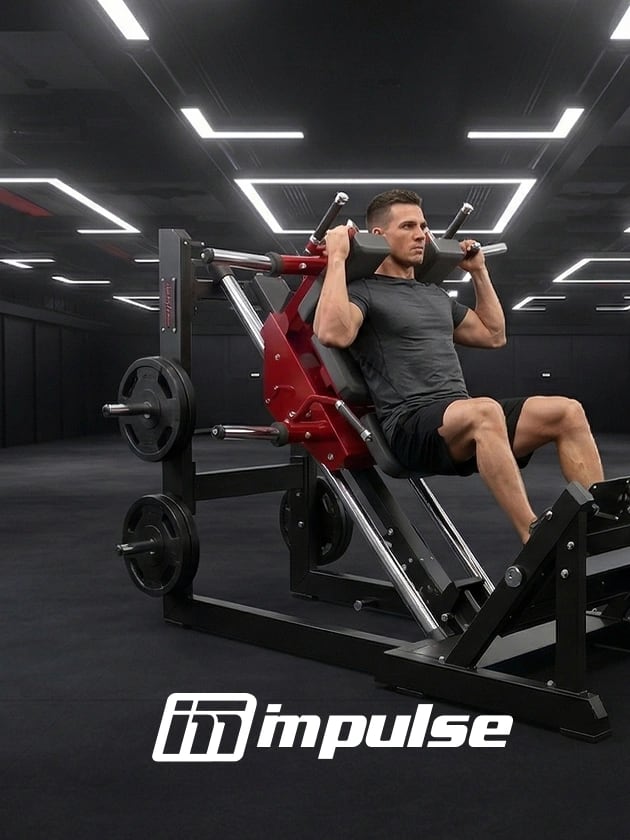
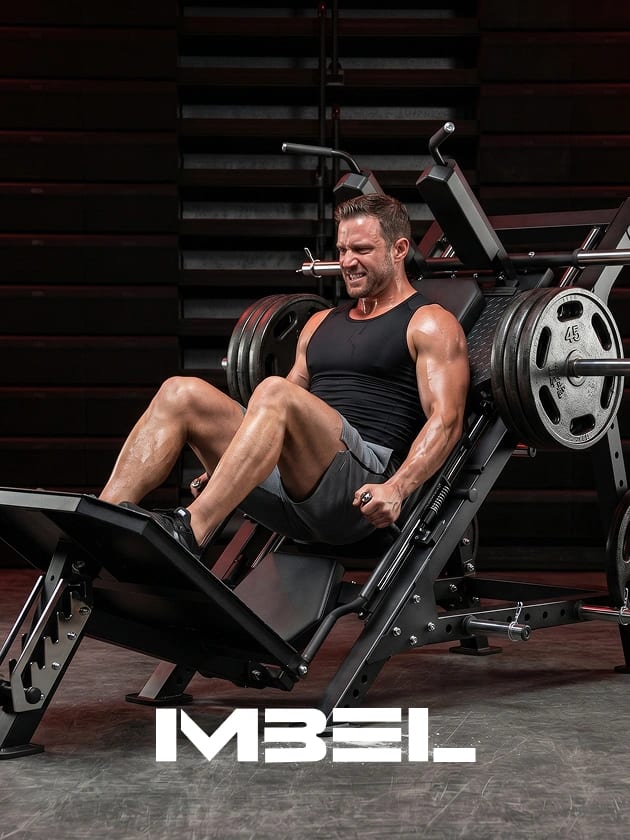
- Leg press
- Hack squat
- Chest press
- Shoulder press
- Row machines
Free Weights
- Dumbbells
- Kettlebells
- EZ curl bars
- Olympic bars
Functional Training
- Functional trainers
- Cable machines
- Medicine balls
- Resistance bands
You may not need every fancy machine in a commercial gym. It is always advisable to choose equipment based on your members and the space available.
Cardio Equipment Planning for a Commercial Gym
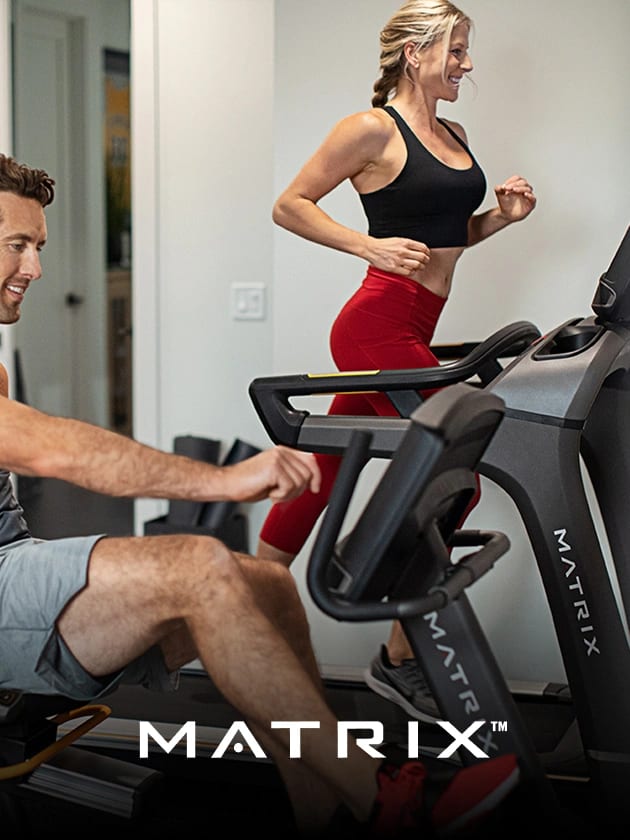
Cardio equipment takes up a significant part of a commercial gym. Treadmills need adequate space around them for access and safe use. Ellipticals and bikes also require ample spacing.
Be mindful about the direction of the equipment. For example, placing cardio machines facing a wall can work, but a row facing windows or a TV may create a more comfortable workout environment.
You need to consider the electrical requirements of powered cardio equipment as well. Plan the power points before installation rather than running extension cables across the gym floor.
Strength Equipment Planning for a Commercial Gym
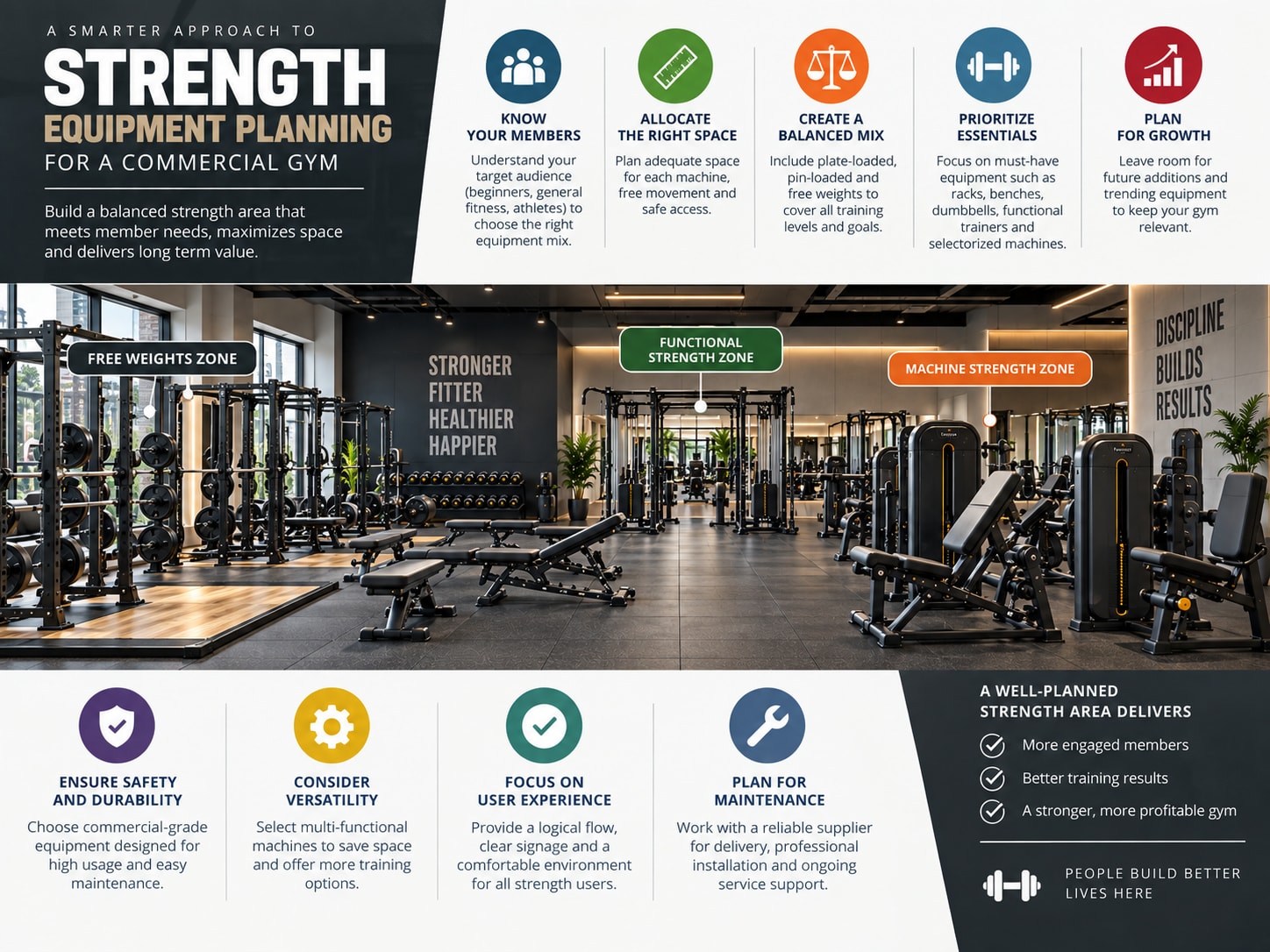
Strength equipment is considered as the heart of a commercial gym. If your gym has members who are into serious lifting, the strength area should have enough capacity for busy periods. A strength section may include:
- Power racks
- Squat racks
- Smith machines
- Adjustable benches
- Olympic bars
- Weight plates
- Dumbbells
The safety aspect should also be considered when positioning equipment. For example, leave enough room around power racks and lifting platforms for users to train comfortably. Heavy equipment should be placed on suitable flooring.
Free Weights Always Need Good Storage
Dumbbells and weight plates are constantly used in most commercial gyms. It means their storage needs to be convenient.
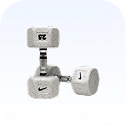
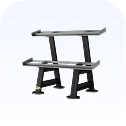
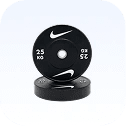
Dumbbell racks should be positioned where members can access the weights without blocking walkways. Weight plates can be stored on plate trees or dedicated racks close to the equipment where they are used.
Barbells, too, need proper storage. Leaving bars and plates on the floor makes the gym look untidy and creates unnecessary obstacles for users. Good storage in a gym improves both appearance and usability.
Flooring is of High Priority in Commercial Gyms
This is another important aspect of a commercial gym. The floor type should suit the equipment and type of training taking place in each space.
- Rubber Flooring: This is commonly used in strength and free-weight areas because it provides a durable surface. It also helps protect the floor from normal equipment use and reduce noise.
- Cardio Flooring: Cardio areas need flooring that can handle regular foot traffic and equipment movement.
- Functional Training Area: A functional area may require a surface suitable for movement, stretching and training drills.
- Heavy Lifting Area: If your gym has a dedicated lifting area, consider flooring designed for heavier weights and repeated use. The flooring choice should match the type of training as well.
Commercial Gym Noise Levels: What to Consider
Noise can become a big headache in a commercial gym, especially in areas where heavy weights are used. Noise can come from the following scenarios:
- Dropping weights
- Weight plates hitting bars
- Treadmills usage
- Moving equipment
- Group classes
- Functional training
A suitable rubber flooring can help reduce some impact and noise. If the gym is located inside a mixed-use building, think about where the free-weight and functional training zones are placed. You may also need to consider building requirements related to noise.
Ventilation and Air Conditioning in Commercial Gyms
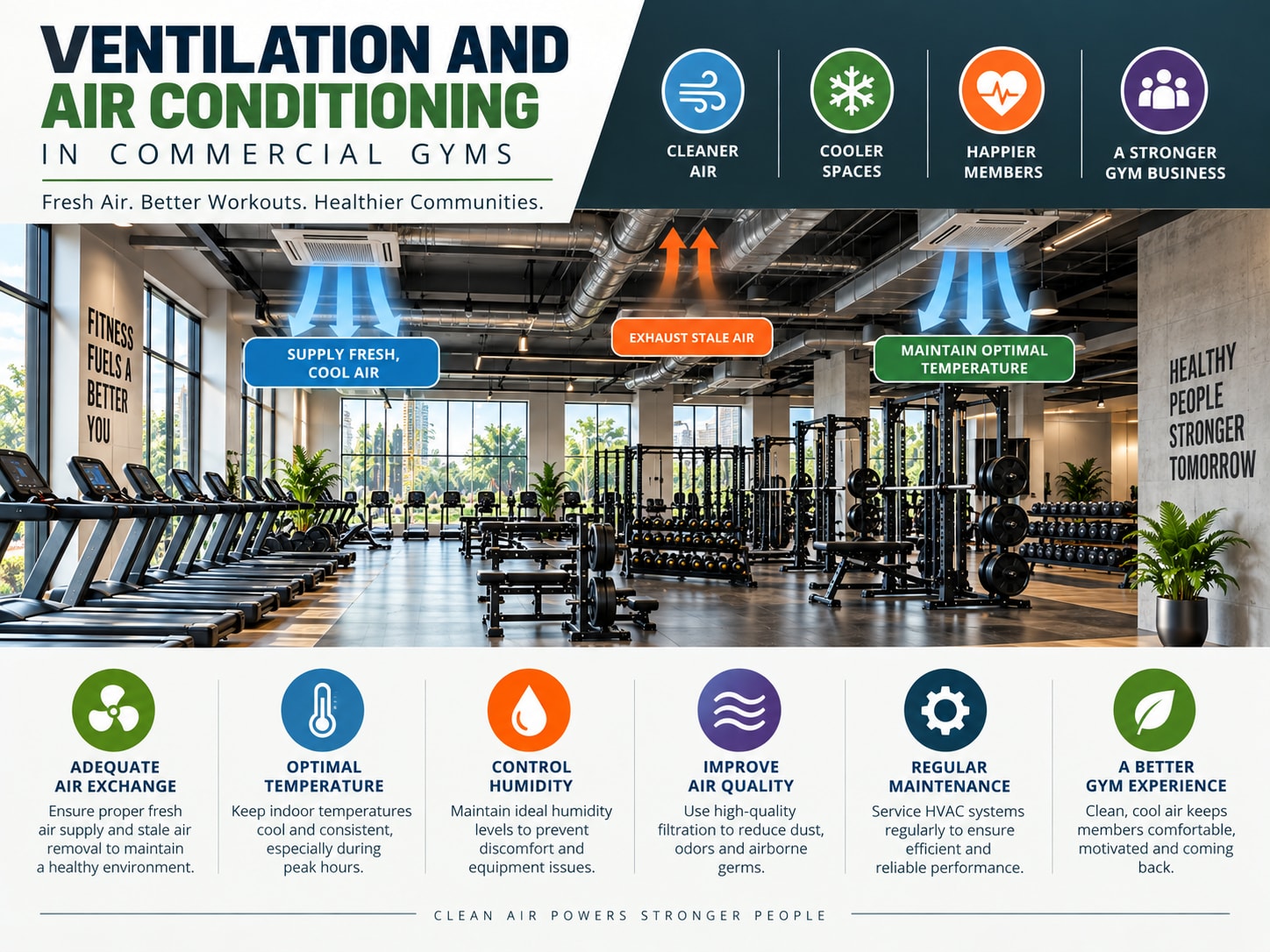
The GCC climate makes temperature control an essential aspect to consider for commercial gyms. The rooms can become warm quickly because of these factors:
- Large numbers of members
- Cardio machines
- Lighting
- Exercise activity
- Equipment operating for long periods
It is essential to have proper air conditioning and ventilation for member comfort. Before finalising the layout, consider where air-conditioning units and vents are located. Ensure not to position equipment in a way that blocks airflow. A comfortable gym should encourage members to spend more time training.
Choosing the Right Mirrors for a Commercial Gym
The significance of mirrors in commercial gyms is not just restricted to appearance. They help users to check their form during exercise sessions. Mirrors can be useful in the following conditions:
- Free-weight areas
- Functional training zones
- Group exercise areas
- Stretching areas
Large mirrors can make a gym appear more spacious. However, they should be installed carefully and positioned away from areas where equipment or weights could hit them.
Delivery Planning for a Commercial Gym
It’s known that large commercial gym equipment can be difficult to move. So, before ordering, check the entire delivery route. This includes:
- Building entrance
- Loading area
- Lift
- Staircase
- Corridor
- Door width
- Ceiling clearance
A machine may fit inside your gym, but still be difficult to bring into the building. It is always a wise move to discuss delivery access with the equipment supplier before the order is finalised. This prevents delays when the equipment arrives.
Installation of Commercial Gym Equipment
Installation is another major part of a commercial gym project. Some equipment can be assembled quickly, while larger machines may require professional installation. This can include:
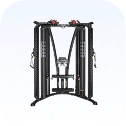
- Functional trainers
- Smith machines
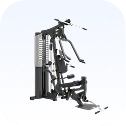
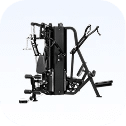
- Multi-station machines
- Cable machines
- Treadmills
- Large cardio equipment
- Commercial strength machines
Professional installation helps ensure the equipment is assembled correctly and positioned according to the planned layout. When comparing various suppliers, get to know what installation services are included. Additionally, check whether installation covers only assembly or includes positioning and basic setup as well.
Ensuring Equipment Availability in Your Commercial Gym
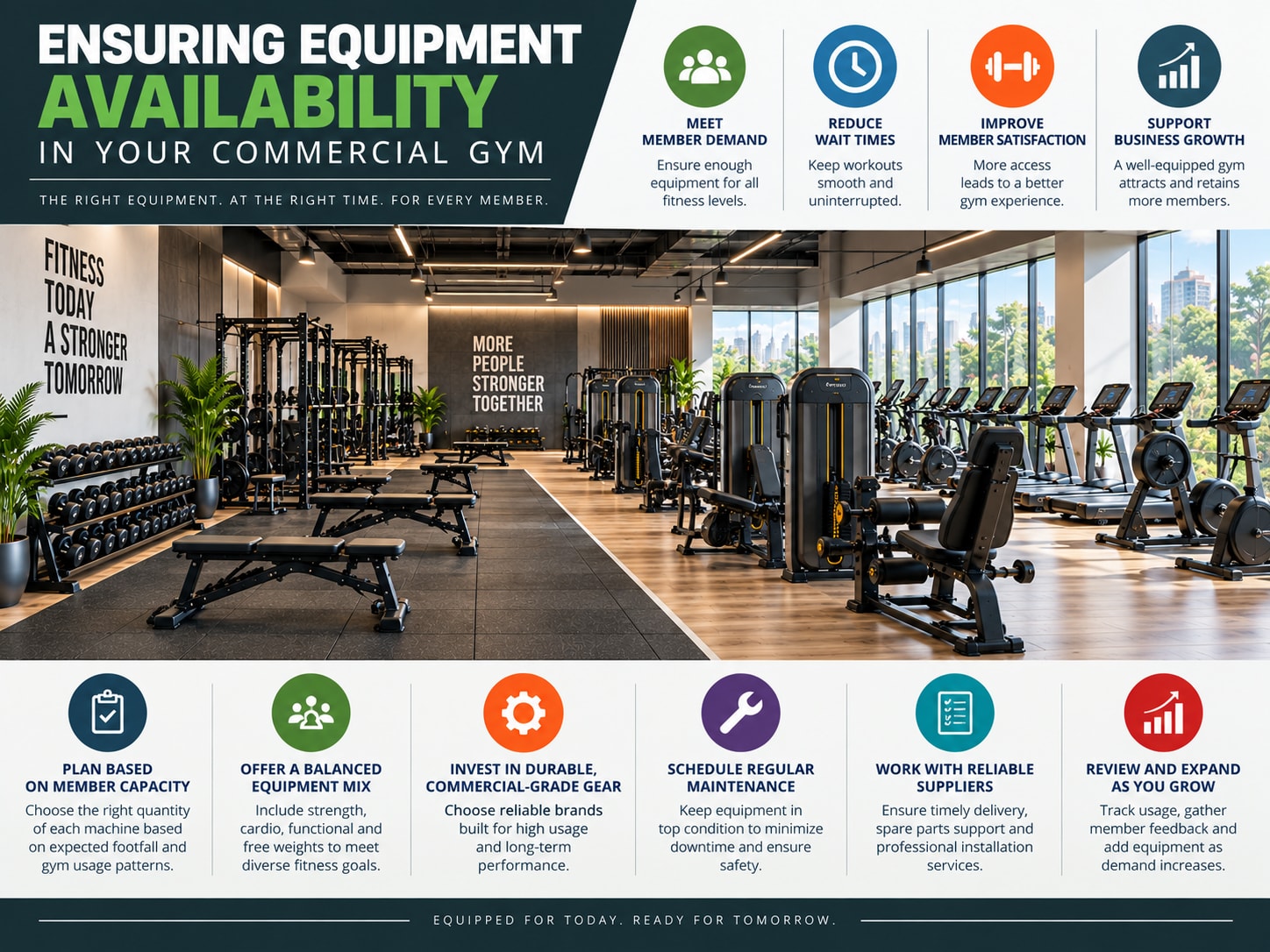
Product unavailability is something that can affect your project timeline in unexpected ways. If some machines are in stock and others take a long time to reach, you may not be able to complete the gym at the same time. Before finalising your equipment list, check for these factors:
- Stock availability
- Expected delivery time
- Available models
- Colour or finish options
- Accessories
- Spare parts
- Warranty
- Installation
- Service support
If you are setting up an entire gym, it is advisable to work with a supplier that can coordinate multiple equipment categories.
Always Plan Maintenance From the Beginning
Maintenance should not be something you must think about only after equipment breaks down. Commercial equipment is used more frequently than equipment in home gyms.
A treadmill may run for several hours a day. A strength machine may be used by dozens of people. Cable systems may be adjusted repeatedly throughout the day. Regular maintenance can help identify problems before they escalate to bigger issues. An ideal commercial gym maintenance plan includes these things:
- Equipment inspection
- Lubrication where required
- Cable checks
- Bolt and connection checks
- Treadmill belt inspection
- Electrical checks
- Cleaning
- Replacement of worn parts
The Role of Spare Parts in Commercial Gyms
Needless to say, some of the equipment parts naturally wear over time.These can include:
- Cables
- Belts
- Bearings
- Rollers
- Handles
- Upholstery
- Pins
Before choosing equipment, check whether replacement parts and service support are available. This is important for commercial gyms because equipment downtime can affect members. Having access to spare parts can make repairs easier when something needs replacing.
A Sample Commercial Gym Equipment Plan
Imagine you are setting up a medium-sized general fitness gym. You could divide the space into:
Cardio
- Treadmills
- Bikes
- Ellipticals
Selectorized Machines
- Chest press
- Shoulder press
- Lat pulldown
- Seated row
- Leg extension
- Leg curl
Free Weights
- Dumbbells
- Benches
- Barbells
- Weight plates
Strength
- Power racks
- Smith machine
- Squat racks
Functional
- Functional trainer
- Kettlebells
- Medicine balls
- Resistance bands
Open Area
- Stretching
- Mobility
- Warm-up
- Personal training
This is just an example. The actual layout should be based on factors like the building and the type of members you expect, and so on.
Common Commercial Gym Planning Mistakes
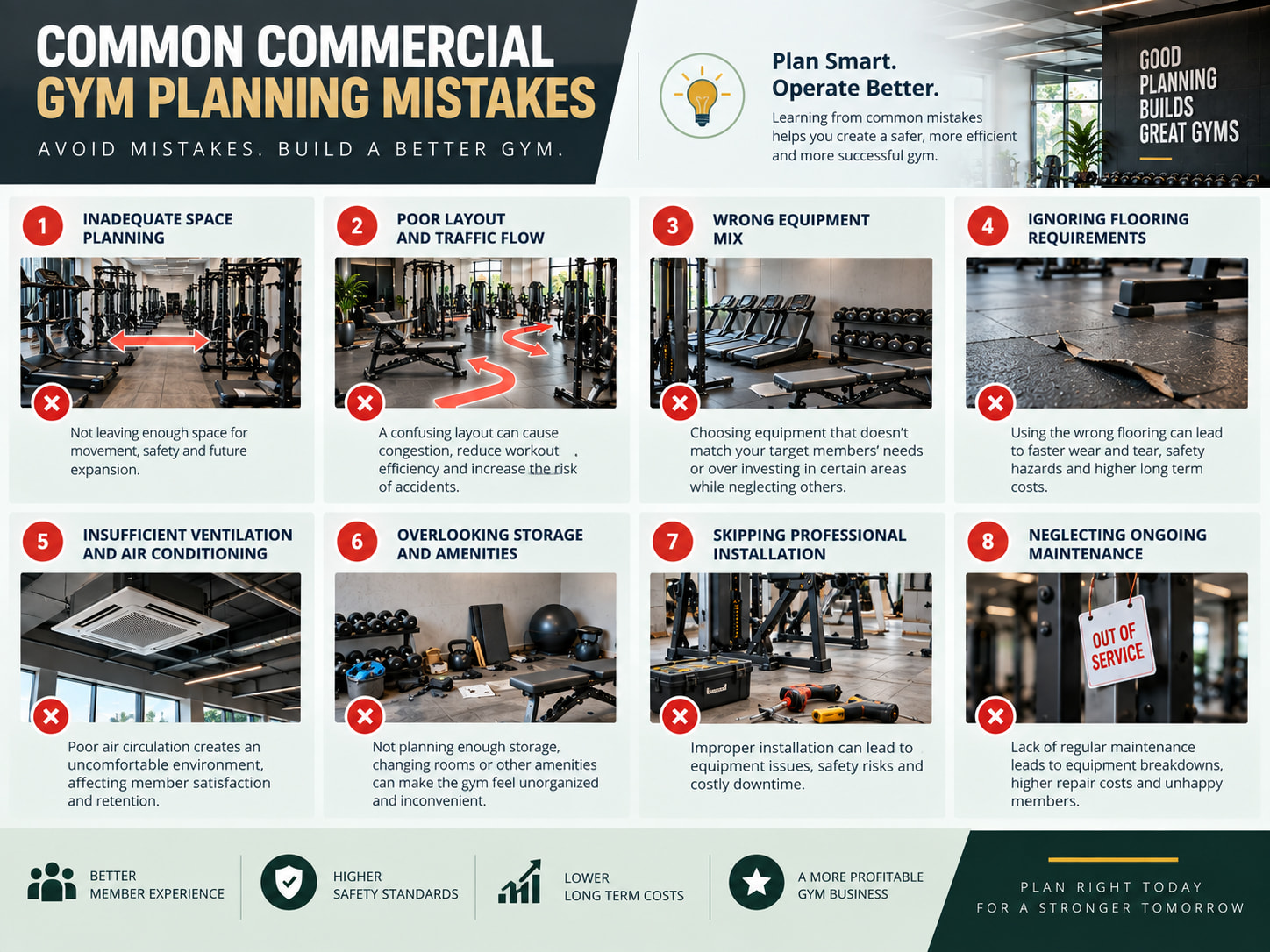
- Buying equipment before planning the layout: This can result in overcrowding.
- Focusing only on equipment price: Cheap machines may not always suit commercial use.
- Forgetting storage: Weights and accessories need a proper place.
- Ignoring delivery access: Large equipment needs a clear route into the building.
- Leaving installation until the end: Installation should be part of the project plan.
- Not planning maintenance: Commercial equipment needs regular attention.
- Buying too many similar machines: A balanced equipment mix can serve more members.
- Ignoring power requirements: Cardio equipment may need dedicated power points.
A Well-Planned Commercial Gym Setup Checklist
Before setting up your dream gym, check the following aspects:
Concept
- Identify your target members
- Decide the type of gym
- Set your equipment budget
Space
- Measure the complete facility
- Plan equipment zones
- Allow room for movement
Equipment
- Choose a balanced mix
- Check dimensions
- Check weight ratings
- Consider commercial-use requirements
Flooring
- Select flooring for each zone
- Protect heavy equipment areas
- Consider noise reduction
Layout
- Plan traffic flow
- Keep walkways clear
- Place related equipment together
Delivery
- Check entrances
- Measure lifts and doors
- Confirm delivery access
Installation
- Arrange professional installation where required
- Confirm what the installation service includes
Maintenance
- Create a maintenance schedule
- Check spare-part availability
- Keep equipment clean and inspected
Looking for quality gym equipment and great offers in Kuwait? Visit Lifetime Fitness Store for premium fitness products, expert gym guidance, and solutions tailored to your workout and commercial gym needs.
Conclusion
A successful commercial gym starts with good planning. Before choosing equipment, understand the space and decide who the gym is being built for. From there, create zones for cardio, strength, machines, free weights, functional training and mobility.
Pay utmost attention to flooring, ventilation, power, storage and traffic flow. These details may seem small when you are planning the gym, but they actually make a big difference once the gym is busy.
Like other factors, delivery and installation, too, should be planned from the start. Large commercial equipment needs suitable access, and professional installation can make the setup process much easier. Regular maintenance, spare parts and future expansion are other things to add to your plan.
For gym owners, choosing the right equipment supplier can simplify the complete process. From equipment selection and space planning to after-sales service, having the right support helps turn an empty commercial space into a bustling fitness centre.
 Get a weekly dose of latest stories
and useful tips directly in your inbox!
Get a weekly dose of latest stories
and useful tips directly in your inbox!


 0
0