Kuwait
Kuwait

Cardio

Wondering How Exercise Affects Weight Loss? Here’s What You Need to Know!

In today's fast-paced world, marked by sedentary lifestyles and convenience-centric choices, effective weight loss strategies are a need-of-the-hour. Amidst the plethora of advice and trends, one tried-and-true method stands as a beacon of hope: exercise. 

Welcome to our comprehensive guide, where we delve deep into the symbiotic relationship between exercise and weight loss. Let's embark on a journey to unearth how exercise can be your ultimate tool for shedding those extra pounds and unveiling a healthier, happier you.

The Science Behind Exercise and Weight Loss

Before delving into the role of exercise in weight loss, it's essential to grasp the fundamental principles of how our bodies store and burn energy. Weight loss occurs when there is a sustained negative energy balance meaning you burn more calories than you consume. This deficit prompts the body to tap into its stored fat reserves for energy, leading to a reduction in body weight.

Exercise contributes to this energy deficit by increasing your total daily energy expenditure (TDEE). TDEE comprises three main components:

  • Basal metabolic rate (BMR)
  • Thermic effect of food (TEF)
  • Physical activity level (PAL).

Exercise primarily influences the PAL component. It encompasses all physical activities, from structured workouts to daily movements like walking and standing.

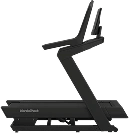
  • Metabolism and Exercise: Your metabolism is central to the weight loss equation. Exercise plays a pivotal role in stimulating your metabolism, enhancing your body's ability to burn calories not just during your workout but even at rest. Activities like brisk walking on a treadmill and intense sessions on an exercise bike significantly increase heart rate and oxygen consumption, catalysing calorie expenditure.
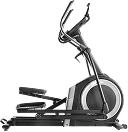
  • Lean Muscle Mass Matters: Introducing strength training to your fitness routine can be a game-changer for weight loss. Beyond calorie burn, resistance exercises like rowing and elliptical cross-training promote the development of lean muscle mass. Muscle tissues are metabolically active. Hence, the more muscle you have, the more calories your body burns, even during periods of inactivity.

Types of Exercise for Weight Loss

When it comes to exercise for weight loss, there is no one-size-fits-all approach. Different types of exercise have varying effects on energy expenditure, muscle mass preservation, and metabolic rate. Here are some effective types of exercise to consider:

  • Cardiovascular Exercise: Cardiovascular exercises, such as running, cycling, swimming, and aerobics, elevate your heart rate and burn calories. They are effective for creating an energy deficit and improving cardiovascular fitness. However, relying solely on cardio may lead to muscle loss if not combined with strength training.
  • Strength Training: Strength training, or resistance training, involves lifting weights or using resistance bands to build and maintain muscle mass. Muscle tissue burns more calories at rest than fat tissue, contributing to a higher resting metabolic rate. Incorporating strength training into your routine can help preserve lean muscle mass while promoting fat loss.
  • High-Intensity Interval Training (HIIT): HIIT involves alternating between high-intensity bursts of exercise and periods of rest or lower-intensity activity. This approach can lead to increased calorie burn during and after the workout, known as the afterburn effect or excess post-exercise oxygen consumption (EPOC).
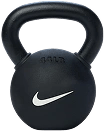
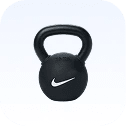
  • Functional Training: Functional exercises mimic real-life movements and engage multiple muscle groups simultaneously. Activities like kettlebell swings, bodyweight squats, and burpees challenge your body in dynamic ways, enhancing overall strength, coordination, and calorie burn.
  • Mind-Body Activities: Activities like yoga, Pilates, and tai chi not only improve flexibility and balance but also contribute to stress reduction. Managing stress is essential for weight loss, as high stress levels can lead to overeating and hinder fat loss.

Creating an Effective Workout Routine

Designing a workout routine that aligns with your weight loss goals and lifestyle is essential for long-term success. Here's a step-by-step guide to creating an effective exercise plan:

  • Set Clear Goals: Define your weight loss goals and identify specific outcomes you want to achieve. Whether it's losing a certain number of pounds, improving fitness levels, or enhancing muscle tone, having clear goals will guide your exercise choices.
  • Choose the Right Mix: Incorporate a balanced mix of cardiovascular exercises, strength training, and flexibility/mind-body activities into your routine. This combination maximizes calorie burn, muscle preservation, and overall well-being.
  • Plan Frequency and Duration: Aim for at least 150 minutes of moderate-intensity aerobic activity or 75 minutes of vigorous-intensity aerobic activity per week, spread across several days. Include 2-3 days of strength training to target major muscle groups.

  • Progressive Overload: Gradually increase the intensity, duration, or resistance of your workouts over time. This principle of progressive overload ensures that your body continues to adapt and improve.
  • Listen to Your Body: Pay attention to how your body responds to exercise. While pushing yourself is important, avoid overtraining or ignoring signs of fatigue or injury.
  • Rest and Recovery: Adequate rest is essential for muscle recovery, hormonal balance, and overall well-being. Include rest days in your routine and prioritize sleep for optimal results.

Common Misconceptions About Exercise and Weight Loss

There are several misconceptions surrounding exercise and weight loss that can hinder progress or lead to frustration. Let's debunk some of these myths:

  • Spot Reduction: It's a common belief that targeting specific areas through exercise (e.g., doing endless crunches for a flat stomach) will lead to spot reduction of fat. In reality, fat loss occurs throughout the body, and targeted exercises only strengthen and tone underlying muscles.
  • Cardio vs. Strength Training: Both cardio and strength training contribute to weight loss. While cardio burns more calories during the activity, strength training preserves muscle mass and boosts metabolism, aiding long-term fat loss.
  • More is Better: Excessive exercise without adequate recovery can lead to burnout, injury, and hormonal imbalances. Quality and consistency of workouts are more important than sheer volume.
  • Compensation: Some individuals overestimate the calories burned during exercise and compensate by eating more than necessary. Be mindful of your dietary choices and avoid using exercise as an excuse to indulge excessively.
  • Quick Fixes: Relying solely on exercise without addressing dietary habits and lifestyle factors is unlikely to lead to sustainable weight loss. A holistic approach that includes nutrition, exercise, sleep, and stress management is key.

Crafting Your Ideal Workout Routine

  • Embracing Diversity: When crafting an effective exercise routine, variety emerges as a potent weapon. Blending cardiovascular workouts such as climbing and stepping with strength-focused regimens adds an element of surprise for your body, preventing plateaus and optimising calorie burn.
  • Enter High-Intensity Interval Training (HIIT): Within the realm of effective workout methodologies, HIIT deserves special mention. This approach involves alternating between intense bursts of activity and short periods of rest. Apart from its time-saving aspect, HIIT maximises the after-burn effect, ensuring that your body continues to torch calories long after you've completed your workout session.
  • Consistency is Key: To set the wheels of weight loss in motion, consistency is paramount. Strive for at least 150 minutes of moderate aerobic activity or 75 minutes of vigorous activity each week, complemented by muscle-strengthening exercises on a minimum of two days.

The Synergy of Mindful Eating and Exercise

  • The Balancing Act: While exercise is undeniably potent, its effects can be amplified when coupled with a balanced diet. Providing your body with the right nutrients ensures that your workout efforts aren't negated by unhealthy food choices.
  • Fueling Pre and Post-Workout: Elevate your exercise routine by paying attention to pre and post-workout nutrition. Consuming a combination of carbohydrates and protein before a workout energises your session. Post-workout, focus on replenishing glycogen stores and facilitating muscle recovery with a protein-rich snack.

Overcoming the Hurdles: Navigating Challenges on Your Journey

  • Stoking the Motivational Fire: Maintaining motivation throughout your weight loss journey can be a daunting task. However, setting achievable goals, tracking your progress, and celebrating milestones can help sustain your enthusiasm. Consider treating yourself to a well-deserved reward, such as a stylish fitness outfit or a weekend getaway.
  • Seamless Integration into a Busy Lifestyle: We understand that life can be hectic, which is why seamlessly integrating workouts into your daily routine is essential. With home workout equipment like a treadmill or an exercise bike, you can effortlessly sneak in quick, effective exercise sessions, even on the busiest of days.

The Holistic Approach: Exercise as a Catalyst for a Healthier You

  • Beyond the Numbers: Exercise brings numerous health benefits, including reduced stress, improved mood, increased energy, and better overall well-being.
  • Fostering a Supportive Community: Starting a weight loss journey is easier and more successful with a supportive community. Joining fitness classes or groups can provide the camaraderie and accountability needed for sustained progress. Explore our community forums or partake in classes at our UAE store to find your tribe.

Practical Tips for Success

Starting exercise to lose weight can be challenging. But, with the right strategies, you can set yourself up for success:

  • Start Slowly: If you're new to exercise, begin with manageable workouts and gradually increase intensity and duration. This approach minimizes the risk of injury and burnout.
  • Find Activities You Enjoy: Choose exercises you genuinely enjoy, whether it's dancing, hiking, or playing a sport. Enjoyment increases the likelihood of sticking to your routine.
  • Stay Consistent: Consistency is key to seeing results. Create a schedule that works for you and prioritize your workouts as you would any other appointment.
  • Mix It Up: Avoid monotony by incorporating a variety of exercises into your routine. Trying new activities keeps your workouts fresh and engages different muscle groups.
  • Fuel Your Body: Proper nutrition is essential for supporting your workouts and aiding recovery. Consume a balanced diet rich in whole foods to fuel your weight loss efforts.
  • Set Realistic Expectations: Remember that weight loss is a gradual process. Set achievable goals and celebrate each milestone along the way.
  • Stay Hydrated: Drinking water before, during, and after exercise helps optimize performance and supports overall health.

Embarking on Your Transformation

Incorporating exercise into your weight loss journey could be the transformative key you've been seeking. Armed with determination, a well-rounded exercise routine, and a nurturing environment, you're on the path to unlocking the healthier, happier version of yourself that's been patiently waiting to emerge.

Remember, before commencing any new exercise regimen, it's advisable to consult with a qualified healthcare professional, particularly if you have underlying medical conditions.

Exercise is a vital component of a successful weight loss journey, contributing to an energy deficit, increased metabolism, and improved overall health. By understanding the science of weight loss, choosing the right types of exercise, creating an effective workout routine, dispelling common misconceptions, and implementing practical tips, you can harness the power of exercise to achieve your weight loss goals.

Remember that sustainable weight loss requires a comprehensive approach that integrates exercise with balanced nutrition, rest, and mindful lifestyle choices. With dedication, consistency, and a well-designed exercise plan, you can embark on a transformative path toward a healthier and happier you.

For an extensive selection of premium gym equipment, including top-tier treadmills, elliptical cross trainers, exercise bikes, rowing machines, climb mills, and steppers, go through our website. Here's to your exhilarating journey toward a healthier and more vibrant life.

Lace Up: A Beginner's Guide to Running

Running is one of the simplest and most effective ways to improve your physical and mental health. Whether you’re looking to get fit, lose weight, reduce stress, or simply enjoy the outdoors, running can provide an accessible and rewarding experience. However, like any new endeavor, starting a running routine can feel intimidating if you don’t know where to begin. This guide is here to help you overcome those initial hurdles and set you on the path to becoming a confident and enthusiastic runner.

Why Running?

Before diving into the how-to’s, let’s explore why running is such a popular choice for fitness enthusiasts around the world. Running is incredibly versatile—you can do it almost anywhere, and it doesn’t require expensive equipment or gym memberships. All you need is a good pair of running shoes and the motivation to get started.

Beyond its convenience, running offers a wide array of benefits:

  • Physical Health: Regular running improves cardiovascular health, strengthens muscles and bones, and helps maintain a healthy weight.
  • Mental Health: Running is a proven stress reliever, boosting endorphins and reducing symptoms of anxiety and depression.
  • Goal Setting: Whether it’s completing your first 5K or running a marathon, setting and achieving running goals can provide a strong sense of accomplishment.
  • Community: The running community is welcoming and inclusive, offering plenty of opportunities to connect with others through events, clubs, and social media groups.

The First Steps: Preparing to Run

Starting a running routine isn’t just about putting one foot in front of the other. Taking the time to prepare can make your experience more enjoyable and sustainable.

1. Invest in Proper Gear

The most important piece of equipment for any runner is a good pair of running shoes. Visit a specialty running store where experts can analyze your gait and recommend shoes that fit your needs. Ill-fitting shoes can lead to discomfort or injuries, so this step is crucial.

Comfortable, moisture-wicking clothing is also essential, especially for longer runs. Look for breathable fabrics that keep you cool in the summer and layer appropriately for colder weather.

2. Start Slow

It’s tempting to dive into running headfirst, but starting too fast or pushing yourself too hard can lead to burnout or injuries. Begin with a combination of walking and running, gradually increasing the running intervals as your fitness improves.

3. Set Realistic Goals

Having a clear goal can keep you motivated. Whether it’s running for 10 minutes without stopping, completing a local 5K race, or simply enjoying a daily jog, choose a goal that feels achievable and meaningful to you.

4. Learn Proper Form

Running with proper form can make your stride more efficient and reduce the risk of injury. Keep your posture upright, relax your shoulders, and land lightly on your feet. Avoid overstriding; your feet should land beneath your body, not far in front.

Creating a Running Plan

A well-structured plan is key to building consistency and making progress. For beginners, following a gradual approach allows your body to adapt to the new activity without overloading it.

1. Start With a Walk-Run Program

One popular method for beginners is the walk-run approach. For example, you might alternate between one minute of running and two minutes of walking for 20-30 minutes. Over time, you can decrease the walking intervals and increase the running ones.

2. Schedule Your Runs

Consistency is vital, so aim to run three to four times a week. Choose days and times that fit your schedule, and treat your runs as non-negotiable appointments.

3. Build Gradually

The 10% rule is a helpful guideline: Increase your weekly mileage by no more than 10% to avoid overtraining. This gradual progression allows your body to adapt while minimizing the risk of injuries.

4. Mix Up Your Workouts

Incorporate variety into your running routine to keep things interesting. Include easy runs, longer runs, and interval workouts to challenge your body in different ways.

Equipment for Beginner Runners

1. Running Shoes
Use: Proper shoes reduce impact, prevent injuries, and provide support for different foot types and running surfaces.

2. Running Socks
Use: Moisture-wicking socks prevent blisters, improve comfort, and enhance overall foot support.

3. Fitness Tracker / Smartwatch
Use: Tracks distance, pace, heart rate, and calories burned, helping beginners monitor progress and set goals.

4. Foam Roller
Use: Aids post-run recovery by loosening tight muscles in calves, quads, hamstrings, and IT bands.

5. Resistance Bands
Use: Strengthen hips, glutes, and legs to improve running form and prevent injuries.

6. Hydration Gear (Water Bottle / Hydration Pack)
Use: Maintains hydration during longer runs and prevents fatigue or cramps.

7. Running Apparel (Lightweight Clothing / Compression Gear)
Use: Breathable, sweat-wicking fabrics keep you comfortable; compression gear improves blood flow and recovery.

Overcoming Common Challenges

1. Finding Motivation

Staying motivated can be tough, especially when the initial excitement wears off. To keep going:

  • Remind yourself of your goals and the reasons you started.
  • Join a running group or enlist a friend to run with you.
  • Track your progress with a running app or journal.
  • Reward yourself for milestones, like buying new gear or treating yourself to a favorite snack.

2. Managing Discomfort

Running can feel challenging at first, but it should never be painful. If you experience discomfort, slow down, and listen to your body. Common issues like side stitches or shin splints often resolve as your fitness and form improve.

3. Fitting Running Into Your Schedule

Life can get busy, but even short runs are better than none. Early morning or evening runs can fit around work or family commitments. Consider running during your lunch break or using a treadmill at home if outdoor running isn’t an option.

Staying Safe While Running

Safety is an essential aspect of running, particularly if you’re heading out alone or running in unfamiliar areas. Follow these tips to stay safe:

  • Choose well-lit, populated routes, especially during early morning or evening runs.
  • Wear reflective clothing and carry a light if running in low-light conditions.
  • Let someone know your route and estimated return time.
  • Stay aware of your surroundings, and avoid wearing headphones in areas with traffic.
  • Hydrate before and after your run, and carry water for longer distances or in hot weather.

The Role of Rest and Recovery

Rest days are just as important as running days. Your body needs time to repair and rebuild, which helps prevent overuse injuries and burnout. Incorporate at least one or two rest days per week, and listen to your body when it needs extra recovery.

Stretching and foam rolling can also aid recovery by relieving muscle tension and improving flexibility. Consider adding cross-training activities like swimming, cycling, or yoga to complement your running routine and build overall strength.

Nutrition and Hydration

Fueling your body properly is an often-overlooked aspect of running. Eating a balanced diet that includes carbohydrates, proteins, and fats will provide the energy and nutrients you need for sustained performance. Hydration is equally crucial; drink water before, during, and after your runs to prevent dehydration and optimize recovery.

Celebrating Your Progress

Running is a journey, and every step forward is a victory worth celebrating. Reflect on how far you’ve come, whether it’s completing your first non-stop mile, participating in a local race, or simply feeling more energized and confident.

As you grow more comfortable with running, you may find yourself eager to set new goals. Perhaps you’ll aim to increase your distance, improve your pace, or tackle a challenging race like a half marathon. The possibilities are endless, and the rewards are immeasurable.

Joining the Running Community

Being part of a larger running community can amplify your enjoyment. Local running clubs, social media groups, and events provide camaraderie and shared motivation. Participating in group runs or races can also add a layer of fun and accountability to your routine.

The Mental Benefits of Running

Running isn’t just a physical activity; it’s a mental escape. Many runners find that it’s a time to clear their minds, reflect on their day, or simply enjoy the rhythm of their footsteps. The sense of accomplishment that comes with completing a run—even a short one—can provide a significant confidence boost.

For those dealing with stress or anxiety, running offers a natural way to release tension. The endorphins released during a run can create a feeling of euphoria often referred to as the “runner’s high.” Over time, these mental benefits can become just as motivating as the physical improvements.

Getting started with running is about more than just physical fitness; it’s about discovering what your body and mind are capable of achieving. By taking the first steps, setting realistic goals, and embracing the process, you’ll unlock a world of health, happiness, and personal growth.

Remember, every runner starts somewhere. Your journey might begin with a single lap around the block or a short walk-run session, but with consistency and determination, those steps will add up to incredible achievements. So lace up your shoes, head outside, and take that first step toward becoming the runner you’ve always wanted to be.

Ride to Wellness: A Comprehensive Indoor Cycling Guide

Indoor cycling, often referred to as spinning, has surged in popularity as a convenient, engaging, and effective way to achieve fitness goals. Whether you’re a seasoned athlete or a fitness newbie, indoor cycling offers something for everyone. It combines cardiovascular conditioning, muscle toning, and stress relief in a single, accessible workout.

With its adaptability and ability to provide a sense of community, indoor cycling has become a cornerstone of modern fitness routines. Let’s delve into why this activity is so beneficial, how to get started, and tips to make the most of your indoor cycling journey.

The Convenience of Indoor Cycling

One of the primary reasons indoor cycling has gained traction is its unparalleled convenience. Unlike outdoor cycling, which depends on favourable weather and safe road conditions, indoor cycling allows you to ride anytime and anywhere. 

Flexibility: With the advent of high-tech stationary bikes and virtual cycling platforms, such as Peloton and Zwift, enthusiasts can enjoy immersive rides in the comfort of their own homes. 

Entertainment: These platforms often include pre-recorded or live classes led by professional instructors, complete with inspiring music and scenic virtual trails. 

This combination of flexibility and entertainment makes indoor cycling an attractive option for people with busy schedules.

Low impact; High reward

Indoor cycling is also an excellent low-impact workout, making it suitable for people of all ages and fitness levels. The smooth, controlled motion of pedalling minimizes strain on the joints, reducing the risk of injury compared to higher-impact activities like running or jumping. This is particularly beneficial for individuals recovering from injuries, managing chronic pain, or looking for a gentle yet effective way to stay active.

Despite its low-impact nature, indoor cycling is highly effective at burning calories and improving cardiovascular health. A vigorous 45-minute session can burn anywhere from 400 to 600 calories, depending on intensity, making it a go-to choice for weight management.

The cardiovascular benefits of indoor cycling are profound. Regular participation strengthens the heart, improves circulation, and enhances lung capacity. As you pedal, your heart rate increases, promoting blood flow and oxygen delivery to muscles.

Over time, this leads to a more efficient cardiovascular system, lowering the risk of heart disease, hypertension, and stroke. Additionally, indoor cycling helps regulate blood sugar levels and boosts metabolic function, further contributing to overall health and well-being.

Mental health benefits

In addition to its physical advantages, indoor cycling has significant mental health benefits. The rhythmic nature of pedaling, coupled with uplifting music and a motivating instructor, creates a meditative experience that reduces stress and anxiety.

Many riders report feeling a "cycling high" after their workouts, thanks to the release of endorphins, the body’s natural mood elevators. This endorphin boost can help combat depression, improve focus, and enhance overall mental clarity. Furthermore, the sense of accomplishment that comes with completing a challenging ride fosters self-confidence and resilience.

Building muscular strength and endurance

Another compelling aspect of indoor cycling is its ability to build muscular strength and endurance. While primarily known as a cardiovascular exercise, indoor cycling also targets major muscle groups in the lower body, including the quadriceps, hamstrings, glutes, and calves.

By adjusting the bike’s resistance, riders can simulate climbing hills or sprinting on flat terrain, providing a dynamic and versatile workout. Many classes also incorporate upper-body movements, such as push-ups or weights, to engage the arms, shoulders, and core. This full-body approach ensures a balanced workout that tones muscles and improves overall fitness.

The social side of indoor cycling

The community aspect of indoor cycling cannot be overstated. Group classes at gyms or boutique studios create a shared experience that fosters camaraderie and accountability. The collective energy of a room full of riders, combined with a skilled instructor’s encouragement, creates an environment where individuals push themselves harder than they might on their own.

For those who prefer virtual classes, online platforms offer interactive features like leaderboards, live chats, and virtual group rides, enabling participants to connect with a global community of cyclists. These social elements make indoor cycling not just a workout but a source of connection and motivation.

Starting your indoor cycling journey

For beginners, stepping into the world of indoor cycling can feel a bit intimidating, but with the right guidance, it can quickly become a rewarding part of your fitness routine. The first step is choosing the right equipment.

If you’re attending classes at a gym or studio, most facilities provide high-quality stationary bikes. For home workouts, investing in a sturdy bike with adjustable settings and a comfortable seat is crucial. Many modern bikes come with built-in screens, performance tracking, and compatibility with virtual platforms, enhancing the overall experience.

Once you have the right equipment, setting up your bike correctly is essential to avoid discomfort or injury. Start by adjusting the seat height so that your knees are slightly bent when the pedals are at their lowest point. The handlebars should be positioned at a height that allows a slight bend in your elbows while keeping your back straight and relaxed. Proper footwear, such as cycling shoes with cleats, ensures a secure connection to the pedals, optimizing power transfer and minimizing the risk of slipping.

As you begin your indoor cycling journey, focus on finding a pace and resistance level that matches your current fitness level. Many beginners make the mistake of overexerting themselves in their first few sessions, which can lead to burnout or soreness. Instead, start with shorter rides at a moderate intensity and gradually increase the duration and difficulty as your endurance improves. Listening to your body and allowing time for recovery is key to long-term success.

Structured classes are an excellent way to stay motivated and improve your technique. Most indoor cycling classes follow a format that includes a warm-up, intervals of varying intensity, and a cool-down. The intervals may involve sprints, climbs, or steady-state efforts, ensuring a diverse and engaging workout.

Instructors often guide participants through proper form, breathing techniques, and mental strategies to stay focused and energized. Whether in-person or virtual, these classes provide a sense of direction and help you push beyond your perceived limits.

Maximising the benefits

To maximize the benefits of indoor cycling, it’s important to complement your rides with proper nutrition and hydration. Since cycling is a calorie-intensive activity, fueling your body with balanced meals rich in carbohydrates, protein, and healthy fats ensures you have the energy needed for intense workouts.

Staying hydrated before, during, and after your ride is equally important, as dehydration can impair performance and recovery. Many cyclists find that sipping water or an electrolyte drink during their sessions helps maintain energy levels and prevent fatigue.

Variety is another key factor in keeping your indoor cycling routine exciting and effective. While it’s easy to stick to your favorite class or workout, exploring different styles of cycling can prevent plateaus and keep your motivation high. Some classes focus on high-intensity interval training (HIIT), while others emphasize endurance or rhythm-based rides that sync movements to music. Experimenting with different formats not only challenges your body in new ways but also keeps the experience fresh and enjoyable.

For those looking to track their progress, modern indoor cycling technology offers a wealth of data. Metrics such as heart rate, cadence (pedaling speed), power output, and distance provide valuable insights into your performance and fitness level.

Many bikes and apps allow you to set goals, monitor improvements, and celebrate milestones, fostering a sense of achievement. This data-driven approach adds a layer of accountability and makes it easier to stay consistent with your workouts.

Ensuring safety

Safety is a crucial aspect of indoor cycling that shouldn’t be overlooked. While the low-impact nature of cycling reduces the risk of injury, improper form or overtraining can lead to issues such as knee pain or back strain. To avoid these pitfalls, prioritize proper bike setup, listen to your body, and incorporate rest days into your routine. If you’re new to cycling, consider seeking guidance from an instructor or watching tutorials to ensure your technique is on point.

Accessibility for all

The accessibility of indoor cycling makes it a viable option for people with diverse fitness goals. For individuals aiming to lose weight, the high calorie burn and metabolic boost provided by cycling can accelerate fat loss when combined with a healthy diet.

Those looking to improve athletic performance will benefit from the cardiovascular and muscular endurance developed through regular rides. Even seasoned athletes use indoor cycling as a cross-training tool to enhance their overall fitness and reduce the risk of overuse injuries associated with their primary sport.

Indoor cycling is also an excellent way to stay active during colder months or when outdoor options are limited. Unlike outdoor cycling, which may be hindered by inclement weather or unsafe road conditions, indoor cycling provides a controlled environment where you can maintain your fitness routine year-round. This consistency is invaluable for building habits and achieving long-term health benefits.

Another advantage of indoor cycling is its adaptability for special populations, such as older adults, pregnant individuals, or those with physical limitations. The low-impact nature of cycling, combined with the ability to control resistance and intensity, makes it a safe and effective option for maintaining mobility, strength, and cardiovascular health. Many studios and platforms offer modified classes designed to accommodate varying needs, ensuring that everyone can participate and benefit.

Essential Indoor Cycling Equipment

1. Upright Bikes

Overview: Upright bikes mimic traditional outdoor bicycles, with a vertical seating position. They provide a full cardio workout while engaging the core and lower body muscles.
Use & Benefits:

Great for general fitness and endurance training.

Compact and suitable for home gyms.

Adjustable resistance allows you to increase intensity.

Promotes proper posture and core engagement.

2. Recumbent Bikes

Overview: Recumbent bikes have a reclined seating position with a larger seat and backrest, reducing stress on the knees and lower back.
Use & Benefits:

Ideal for seniors, people with back issues, or rehabilitation purposes.

Provides a low-impact, safe cardio workout.

Engages glutes and legs without straining joints.

Often includes step-through access for convenience.

3. Spinning Bikes

Overview: Spinning bikes are designed for high-intensity workouts, often used in indoor cycling classes. They feature a heavy flywheel and adjustable resistance.
Use & Benefits:

Perfect for high-intensity interval training (HIIT) and endurance training.

Encourages standing and seated cycling for varied workouts.

Heavy flywheel provides smooth, consistent pedaling.

Adjustable seat and handlebars for a custom fit.

4. Air Bikes

Overview: Air bikes use a large fan to provide resistance that increases as you pedal harder. Many also include moving handlebars for a full-body workout.
Use & Benefits:

Offers both cardio and strength training simultaneously.

Resistance is automatic — the harder you pedal, the harder it gets.

Excellent for HIIT and fat-burning workouts.

Engages arms, core, and legs for a full-body workout.

Technological advancements

As indoor cycling continues to evolve, technological advancements are enhancing the experience. Virtual reality cycling, interactive apps, and gamified workouts are transforming the way people engage with this activity. These innovations not only make workouts more enjoyable but also provide opportunities for skill development and competition. For instance, platforms like Zwift allow riders to participate in virtual races or explore scenic routes from around the world, adding an element of adventure to their fitness journey.

The environmental benefits of indoor cycling should not be overlooked. By choosing to cycle indoors, particularly on energy-efficient or self-powered bikes, individuals can reduce their carbon footprint compared to driving to a gym or cycling outdoors in urban areas where transportation may be required. This aligns with the growing trend of eco-conscious fitness, where individuals prioritize sustainability alongside their health goals.

Ultimately, indoor cycling is more than just a workout; it’s a lifestyle. The combination of physical, mental, and social benefits makes it a holistic approach to well-being. Whether you’re chasing fitness milestones, seeking stress relief, or simply looking for a fun and engaging way to stay active, indoor cycling offers a solution that fits seamlessly into modern life. With its accessibility, adaptability, and ever-evolving technology, indoor cycling is poised to remain a favorite among fitness enthusiasts for years to come.

So, whether you’re pedaling in a bustling studio, joining a virtual class from your living room, or cycling solo to your favorite playlist, remember that every ride brings you closer to a healthier, happier you. Embrace the journey, and let the rhythm of the pedals guide you toward your fitness goals.

Swimming: The Ultimate Low-Impact Cardio Workout

Swimming has long been celebrated as one of the most effective and enjoyable forms of exercise. As a low-impact cardio activity, it provides a full-body workout while being gentle on the joints and muscles. Whether you're gliding through a serene pool or tackling waves in open water, swimming offers a unique combination of physical and mental health benefits. In this blog, we will explore the advantages of swimming, how it compares to other forms of cardio, tips for getting started, and strategies for making it a consistent part of your fitness routine.

Why Swimming Stands Out

Unlike many forms of cardiovascular exercise, swimming involves moving against the resistance of water, which is much denser than air. This resistance challenges your muscles without the strain often associated with weight-bearing exercises. Additionally, the buoyancy of water supports your body, reducing stress on your joints and making swimming an ideal workout for individuals of all fitness levels and ages.

Swimming engages nearly every muscle group in your body. Each stroke—from freestyle to breaststroke—requires coordinated movement of your arms, legs, and core, ensuring a comprehensive workout. This makes swimming not just a cardio activity but also a strength-building exercise. It is particularly effective at targeting hard-to-reach muscles that are often neglected in traditional gym workouts, such as the stabilizers and deep core muscles.

Beyond the physical benefits, swimming also fosters a sense of accomplishment and mastery. Learning new strokes or improving your lap times can provide a tangible sense of progress, boosting confidence and motivation.

Benefits of Swimming for Cardiovascular Health

Swimming is a powerhouse when it comes to improving cardiovascular health. Regular sessions enhance heart and lung function, lower blood pressure, and improve circulation. As an aerobic exercise, swimming helps increase the efficiency of your cardiovascular system, making it easier for your body to deliver oxygen and nutrients to tissues.

For individuals looking to manage or reduce the risk of chronic diseases such as hypertension, type 2 diabetes, and heart disease, swimming is an excellent choice. The rhythmic nature of swimming promotes steady breathing and heart rates, fostering long-term heart health. Moreover, it helps improve cholesterol levels by increasing HDL (good cholesterol) and reducing LDL (bad cholesterol).

Swimming also provides a unique opportunity for high-intensity cardiovascular training without the physical strain often associated with other high-impact activities. This makes it an excellent choice for those who want to push their limits without risking overuse injuries.

Low-Impact Nature: A Game-Changer

One of the standout features of swimming is its low-impact nature. Activities like running or jumping can strain your joints, particularly for those with arthritis, injuries, or conditions like osteoporosis. Swimming, on the other hand, provides a supportive environment where you can move freely without impact-related pain.

This low-impact quality makes swimming a go-to option for rehabilitation and recovery. Athletes recovering from injuries often turn to swimming to maintain fitness levels without risking further harm. Similarly, older adults benefit greatly from the gentle yet effective exercise swimming provides, helping to maintain mobility and independence.

Another key advantage of swimming is its ability to accommodate different fitness levels. Whether you’re a beginner dipping your toes in the water or an advanced swimmer training for a triathlon, you can adjust the intensity and duration to suit your needs. This adaptability ensures that swimming remains a lifelong activity that grows with you.

Mental Health Benefits of Swimming

Swimming is not just beneficial for your body; it also works wonders for your mind. Immersing yourself in water has a calming effect, reducing stress and anxiety. The repetitive nature of swimming strokes, combined with controlled breathing, mimics a meditative state that helps clear the mind and improve focus.

Regular swimming is also linked to improved sleep quality. The physical exertion, coupled with the soothing properties of water, helps regulate sleep patterns and combat insomnia. Furthermore, swimming has been shown to boost mood by releasing endorphins, the body's natural "feel-good" hormones.

For individuals battling mental health challenges such as depression or PTSD, swimming offers a safe and therapeutic outlet. Many find solace in the rhythm of the water, which can feel like a retreat from the stresses of daily life. Community swimming programs and group classes can also provide social interaction, reducing feelings of isolation and loneliness.

Comparing Swimming to Other Forms of Cardio

When it comes to choosing a cardio activity, options abound, from running and cycling to rowing and aerobics. Each has its merits, but swimming brings unique advantages that set it apart:

  1. Full-Body Engagement: While running focuses on lower-body muscles, swimming activates both upper and lower body, along with core muscles.
  2. Joint Protection: The buoyancy of water ensures minimal joint impact, making swimming suitable for individuals with physical limitations.
  3. Calorie Burn: Depending on intensity and stroke type, swimming can burn as many calories as running or cycling, making it a viable option for weight management.

Swimming also stands out for its versatility. It allows for various workout styles, from long-distance endurance sessions to high-intensity sprints. Additionally, swimming can be practiced year-round, thanks to indoor pools, making it a reliable option regardless of weather conditions.

Getting Started with Swimming

Embarking on a swimming journey might seem daunting at first, especially if you’re new to the water. However, with the right approach, it can become a rewarding and enjoyable activity.

Find the Right Facility

Choose a pool or aquatic center that suits your needs. Look for amenities like lap lanes, warm-water pools for therapeutic exercises, or shallow areas for beginners. Many facilities also offer group classes or private lessons to help you build confidence and improve technique.

If you prefer open-water swimming, ensure that you select safe, designated areas and consider swimming with a buddy for added safety.

Start with the Basics

If you’re a beginner, focus on mastering basic skills such as floating, breathing techniques, and simple strokes like freestyle or backstroke. Enrolling in lessons can provide structure and guidance, ensuring you develop proper form from the start.

Don’t rush the process; take your time to build a strong foundation. Proper technique not only improves efficiency but also minimizes the risk of injury and enhances overall enjoyment.

Build Endurance Gradually

Start with short sessions, swimming for 10 to 15 minutes at a comfortable pace. As your stamina improves, gradually increase the duration and intensity of your workouts. Mixing in rest intervals allows you to recover while still challenging yourself.

Tips for an Effective Swimming Workout

To maximize the benefits of swimming, consider incorporating these tips into your routine:

  1. Warm-Up and Cool Down: Begin with gentle laps to prepare your body and prevent injury. Finish with a cool-down to aid recovery.
  2. Incorporate Variety: Alternate between strokes like freestyle, breaststroke, and butterfly to engage different muscle groups and prevent boredom.
  3. Use Equipment: Tools like kickboards, pull buoys, and paddles can help isolate specific muscles and improve technique.
  4. Set Goals: Whether it’s swimming a certain distance or mastering a new stroke, having clear goals keeps you motivated.
  5. Hydrate: Even though you’re in water, it’s essential to stay hydrated. Keep a water bottle poolside and take sips during breaks.


Swimming Fitness: Low-Impact Machines for Swim Training

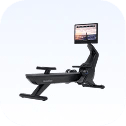
1. Rowing Machine
Use: Full-body, low-impact workout that strengthens arms, shoulders, back, and legs—mimicking the pulling motion in swimming.

2. Air Bike
Use: High-intensity, low-impact cardio that engages both upper and lower body, improving stamina for swim sessions.

3. Treadmill (Incline Walking / Jogging)
Use: Builds cardiovascular endurance with minimal joint impact; incline walking strengthens glutes and legs similar to swim kicks.

4. Elliptical Trainer
Use: Low-impact cardio that works legs and arms simultaneously, enhancing endurance and simulating swimming strokes.

5. Cable / Functional Trainer
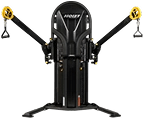
Use: Enables resistance exercises like pulldowns and rows to target upper-body muscles used in swimming.

6. Ski Machine
Use: Simulates upper-body pulling motions; strengthens shoulders, back, and core with minimal joint stress.

Swimming for Specific Goals

Swimming can be tailored to suit a variety of fitness objectives:

  • Weight Loss: High-intensity intervals and longer sessions help burn calories effectively.
  • Rehabilitation: Gentle aqua therapy aids recovery without overloading injured areas.
  • Strength Building: Resistance from water enhances muscle tone and functional strength.
  • Endurance Training: Long, steady swims improve cardiovascular stamina and overall endurance.

Overcoming Common Challenges

While swimming is highly beneficial, some individuals face challenges when incorporating it into their routine. Here’s how to tackle common obstacles:

  • Fear of Water: Begin with shallow areas and gradually progress as you gain confidence.
  • Access: If a pool isn’t nearby, consider open-water swimming in safe, designated areas.
  • Time Constraints: Short, focused sessions can still provide significant benefits.

Making Swimming a Lifelong Habit

The key to reaping the full benefits of swimming lies in consistency. Incorporate it into your weekly schedule, and make it enjoyable by inviting friends or joining a local swim club. Tracking progress, such as improved lap times or increased endurance, can also keep you motivated.

Swimming is not just a workout; it’s a lifestyle. The combination of physical, mental, and social benefits ensures that swimming remains a rewarding activity throughout your life. Whether you’re looking to improve fitness, recover from an injury, or simply enjoy the soothing embrace of water, swimming has something to offer everyone.

In conclusion, swimming is a low-impact cardio exercise that offers immense physical and mental health benefits. Its accessibility, versatility, and therapeutic qualities make it a standout choice for people of all fitness levels. So dive in, make a splash, and let swimming transform your health and well-being.

We value your feedback! Let us know if there’s anything we can improve or if there’s a feature you’d love to see on our website.

Ask a Fitness Guru

Gear advice, order updates, support
or a quick callback - one tap away

Categories

Brand

Cart

0%
Free delivery
You will save 0.00 on this order
Authorized
Retailer
Secure
Payment
Manufacturer
Warranty
Customer
Support
Free Shipping &
Installation
After-sale
support
Sub Total:0.00
Discount:0.00
Shipping fee:0.00
Vat:0.00

Total:0.00