 Delivery To Guest, Columbus
For years, people believed that achieving serious fitness goals required expensive gym memberships, crowded workout spaces, and hours spent traveling back and forth to fitness centers. But today, that mindset is rapidly changing. More people are discovering that effective fitness transformations can happen entirely from home with the right routines, smart equipment, and consistent habits.
Modern lifestyles move incredibly fast. Between demanding careers, traffic, family responsibilities, and packed schedules, many people struggle to maintain consistent gym routines. In most cases, the challenge is not motivation. The challenge is convenience. That is exactly why home fitness has become one of the fastest-growing lifestyle trends worldwide.
Today’s home workout environments are no longer basic setups with a yoga mat and a pair of dumbbells in the corner of a room. Modern home gyms now include advanced cardio systems, strength-training equipment, smart workout technology, recovery tools, and functional fitness spaces capable of delivering professional-level training experiences directly from home.
The biggest advantage of home fitness is accessibility. When workouts become easier to access, consistency improves naturally. People no longer need to plan entire schedules around gym timings or waste energy commuting during busy hours. Instead, they can train whenever they want, whether early in the morning, between meetings, or late at night.
Another important factor is flexibility. Home workouts allow people to create personalized routines based on their own goals, fitness levels, and schedules. Some people focus on fat loss. Others prioritize strength training, endurance, mobility, or recovery. Home fitness provides complete freedom to train according to individual needs without pressure or distractions.
Home fitness is not just about convenience anymore. It has become a lifestyle movement focused on sustainability, wellness, and long-term health. People are now investing in fitness environments that help them stay active consistently without depending on crowded commercial spaces or rigid schedules.
At Lifetime Fitness Store, the goal has always been to help people create stronger and healthier lifestyles with premium fitness solutions designed for modern living. With access to 300+ global fitness brands and thousands of fitness products across cardio, strength, recovery, and wellness categories, achieving fitness goals from home has become more accessible than ever before.
Home fitness is no longer considered a backup option. For many people, it has become the preferred way to train.
Several factors are driving this shift:
People are realizing that fitness results are not determined by location. Results come from:
A structured home fitness routine can be just as effective as commercial gym training when performed consistently.
One of the biggest challenges with traditional gyms is scheduling.
Many people struggle with:
Home fitness removes all of these obstacles.
People can train:
This flexibility helps improve long-term consistency significantly.
Consistency is the most important factor in achieving fitness results.
When equipment is available at home:
Even 20 to 30-minute sessions performed regularly can create major long-term progress.
Many people feel uncomfortable training in crowded gym environments. Beginners especially may feel intimidated while learning new exercises around large groups.
Home fitness allows users to:
This creates a more enjoyable workout experience overall.
Although home fitness equipment requires an initial investment, it often becomes more convenient long term compared to recurring gym memberships and travel expenses.
Home workouts save:
This convenience becomes especially valuable for busy professionals and families.
Every fitness journey is different. Before building a home workout routine, it is important to understand your primary goals.
Common fitness goals include:
Different goals require different workout approaches and equipment setups.
Treadmills remain one of the most popular home fitness machines because they support:
Modern treadmills now feature:
Treadmills are ideal for users focused on cardiovascular health and calorie burning.
Exercise bikes provide low-impact cardio workouts that improve:
Popular options include:
Exercise bikes are especially useful for apartment-friendly setups because they require less space while still delivering effective workouts.
Ellipticals provide full-body cardio workouts while reducing stress on joints.
They simultaneously engage:
Benefits include:
Ellipticals are excellent for people looking for smoother cardio workouts with reduced joint pressure.
Home multi gyms are perfect for users focused on muscle building and full-body strength development.
They allow users to perform:
Modern multi gyms combine multiple workout stations into one compact setup, making them ideal for larger home spaces.
Functional fitness equipment continues growing rapidly because it supports:
Popular equipment includes:
These tools allow highly versatile workouts for all fitness levels.
Perfect for people starting their journey:
Goal:
Build consistency and improve basic fitness levels.
Ideal for calorie burning:
Goal:
Improve endurance and support fat reduction.
Perfect for muscle building:
Goal:
Build lean muscle and improve strength.
Many people focus only on workouts while ignoring recovery completely.
Recovery is essential for:
Popular recovery tools include:
The best fitness results come from balancing training and recovery effectively.
Without a routine, workouts become inconsistent.
Creating fixed schedules helps improve commitment and discipline.
Many beginners start with extremely intense routines that quickly lead to burnout.
Progressive improvement is always more sustainable.
Rest days and recovery sessions are just as important as workouts themselves.
Even a small fitness corner can help create stronger workout habits.
Motivation improves when environments feel inspiring.
Simple improvements include:
Creating enjoyable workout spaces helps improve consistency naturally.
Technology has transformed modern fitness experiences completely.
Modern fitness equipment now includes:
These features create highly engaging and motivating home workout experiences.
Fitness is becoming more connected to lifestyle and wellness culture worldwide.
Modern homeowners now prioritize:
People are no longer focusing only on aesthetics. They are investing in:
One major advantage of home fitness is that entire families can benefit together.
Family fitness setups encourage:
Many households now build versatile fitness spaces suitable for multiple users.
Modern lifestyles make convenience essential.
Home fitness solves several major challenges:
This is why home fitness continues growing rapidly around the world.
Lifetime Fitness Store continues helping people create premium fitness environments with world-class equipment and expert consultation solutions.
Key advantages include:
From compact apartment setups to luxury home gyms, Lifetime Fitness Store continues making home fitness more accessible.
Achieving fitness goals no longer requires expensive gym memberships or rigid workout schedules. Modern home fitness solutions now provide everything people need to build stronger, healthier, and more sustainable lifestyles directly from home.
Whether the goal is weight loss, strength building, endurance improvement, recovery, or overall wellness, home fitness offers unmatched flexibility and convenience. The key is consistency, and home workouts make consistency easier by removing many of the barriers that traditionally prevent people from staying active.
From treadmills and exercise bikes to multi gyms and functional training systems, today’s fitness equipment allows users to create highly effective workout environments suited to every lifestyle and fitness level.
Lifetime Fitness Store continues supporting people with premium fitness equipment, smart workout solutions, recovery products, and complete home gym systems designed to help users achieve their fitness goals without depending on traditional gym environments.
If you are looking to buy other fitness machines or accessories, look no further! Explore our range of fitness products like treadmills, elliptical cross trainers, exercise bikes, rowing machines, home gym, functional trainer, multi-station, power towers, smith machines, dumbbells, foosball tables, pool tables, and table tennis.
Transform Your Life With Regular Exercise RoutinesRegular exercise is no longer just about losing weight or building muscle. Today, fitness has become one of the most powerful tools for improving overall lifestyle, mental wellness, energy levels, confidence, productivity, and long-term health. People are slowly realizing that exercise is not simply a temporary activity done for a few weeks before vacations or special occasions. It is a lifestyle habit capable of transforming every aspect of life when practiced consistently.
Modern lifestyles have become increasingly inactive. Long work hours, screen time, stress, unhealthy eating habits, and lack of movement have created serious health challenges for people across all age groups. Many individuals spend most of their day sitting in offices, cars, or at home without enough physical activity. Over time, this affects not just physical fitness, but also mental focus, energy, posture, sleep quality, and emotional well-being.
This is exactly why regular exercise routines have become more important than ever before. A structured workout routine helps improve physical strength, endurance, cardiovascular health, mobility, flexibility, and recovery while also positively impacting mental health and stress management. People who exercise regularly often experience better confidence, stronger discipline, improved mood, and healthier daily habits overall.
One of the biggest misconceptions about fitness is the idea that workouts need to be extreme to be effective. In reality, transformation happens through consistency rather than intensity alone. Simple daily movement, moderate workouts, proper recovery, and sustainable habits can completely change the way people feel physically and mentally over time.
Another major shift happening today is the rise of home fitness culture. People are no longer depending entirely on commercial gyms to stay active. Modern home workout spaces now include advanced cardio equipment, strength-training systems, functional fitness tools, and smart recovery products that make it easier than ever to maintain consistent exercise routines directly from home.
Home fitness has made regular exercise significantly more accessible. Instead of planning entire schedules around gym timings, commuting, or crowded workout spaces, people can now train according to their own routines and goals. This convenience helps create long-term consistency, which is ultimately the most important factor in achieving fitness results.
At Lifetime Fitness Store, the focus continues to remain on helping people build stronger, healthier, and more active lifestyles with premium fitness equipment, advanced workout solutions, and wellness-focused home gym setups designed for long-term transformation.
Modern lifestyles are becoming increasingly sedentary. Many people spend hours every day:
Lack of movement slowly affects:
Regular exercise helps reverse many of these lifestyle-related issues.
Benefits of consistent exercise include:
Exercise is no longer just about appearance. It has become essential for overall wellness and long-term health.
One of the most powerful effects of regular exercise is its impact on mental health.
Exercise helps:
Physical activity stimulates the release of endorphins, often called “feel-good hormones,” which help improve emotional well-being naturally.
Many people notice that regular workouts improve:
Fitness routines often become powerful mental reset systems that help people manage busy lifestyles more effectively.
One of the biggest fitness mistakes people make is trying to do too much too quickly.
Extreme workout routines often lead to:
Long-term transformation comes from consistency, not temporary intensity.Even moderate workouts performed regularly can create major improvements over time.
Examples of sustainable routines include:
The goal is building habits that remain realistic long term.
Many people assume workouts make the body more tired. In reality, regular exercise improves overall energy levels significantly.
Exercise improves:
People who train consistently often feel:
Exercise teaches the body to use energy more efficiently.
One of the biggest lifestyle shifts in recent years is the growth of home fitness.
People are increasingly choosing home workouts because of:
Modern home gyms now offer professional-level workout experiences directly from home.
Instead of depending entirely on commercial gyms, people are creating personalized workout spaces featuring:
This makes regular exercise easier to maintain consistently.
Treadmills remain one of the most effective cardio solutions because they support:
Modern treadmills now include:
Treadmill workouts improve:
Exercise bikes provide low-impact cardio workouts ideal for long-duration sessions.
Benefits include:
Popular options include:
Exercise bikes work well for all fitness levels.
Ellipticals provide smooth full-body cardio training while reducing stress on joints.
They engage:
Ellipticals are excellent for:
Strength training is one of the most important components of fitness.
Benefits include:
Popular home strength equipment includes:
Strength training supports both physical performance and long-term health.
Functional training focuses on improving movement patterns used in daily activities.
Benefits include:
Popular functional exercises include:
Functional fitness improves overall body movement efficiency.
The best workout routines are the ones people can maintain consistently.
Important factors include:
A sustainable routine should include:
Balance is essential for long-term results.
Recovery is often ignored, but it plays a major role in transformation.
Recovery supports:
Popular recovery tools include:
Fitness is not just about training hard. It is also about recovering smartly.
Mobility and flexibility are essential for:
Stretching routines help improve:
Mobility training should become part of every exercise routine.
Technology has transformed modern fitness completely.
Modern equipment now offers:
These features help improve:
Smart fitness systems are making workouts more personalized and effective.
Many beginners start with extremely intense routines that are difficult to maintain.
Consistency matters more than perfection.
Overtraining often leads to fatigue and injuries.
Rest and recovery are essential for sustainable progress.
Random workouts usually create inconsistent results.
Structured routines improve discipline and progress tracking.
Transformation takes time.
Long-term consistency always beats short-term intensity.
Workout environments play a major role in consistency.
Simple upgrades include:
A motivating environment makes workouts easier to maintain.
One of the biggest advantages of home fitness is that entire families can stay active together.
Family fitness encourages:
Fitness becomes more sustainable when it becomes part of household culture.
Regular exercise helps support:
Fitness is not just about short-term physical goals. It is one of the most important long-term investments people can make for their overall well-being.
People are increasingly prioritizing:
This is why home fitness continues growing rapidly worldwide.
Modern fitness equipment now allows people to create highly effective workout spaces directly from home.
Lifetime Fitness Store continues helping people create premium home fitness environments with world-class workout equipment and wellness-focused solutions.
Key advantages include:
From compact home setups to complete luxury gyms, Lifetime Fitness Store continues supporting healthier lifestyles through smarter fitness solutions.
Regular exercise routines have the power to completely transform physical health, mental wellness, energy levels, confidence, and overall lifestyle quality. Fitness is no longer only about aesthetics or temporary goals. It has become an essential part of building healthier, stronger, and more sustainable daily habits.
The biggest secret behind transformation is not perfection. It is consistency. Small daily efforts performed regularly create long-term results far greater than short-term extreme routines. Whether through cardio workouts, strength training, mobility sessions, or recovery-focused wellness practices, regular movement improves both body and mind over time.
Modern home fitness solutions have also made exercise more accessible than ever before. From treadmills and exercise bikes to multi gyms, dumbbells, and recovery systems, people now have the ability to create professional-quality workout environments directly from home.
Lifetime Fitness Store continues supporting healthier lifestyles with premium fitness equipment, advanced workout solutions, and smart home gym systems designed to help people stay active, consistent, and motivated throughout their fitness journeys.
If you are looking to buy other fitness machines or accessories, look no further! Explore our range of fitness products like treadmills, elliptical cross trainers, exercise bikes, rowing machines, home gym, functional trainer, multi-station, power towers, smith machines, dumbbells, foosball tables, pool tables, and table tennis.
Building a balanced exercise routine is one of the most effective ways to improve overall health, fitness, energy levels, mobility, and long-term wellness. Many people begin their fitness journey with the belief that one type of workout is enough to achieve every goal. Some rely only on cardio, while others focus entirely on strength training. Some spend all their time running, while others believe yoga alone is sufficient. In reality, the body performs best when multiple forms of exercise work together.
A balanced workout plan is similar to maintaining a healthy diet. Just as the body requires proteins, carbohydrates, vitamins, minerals, and healthy fats to function properly, it also needs different forms of movement to remain strong, flexible, healthy, and energetic. Focusing only on one style of exercise may improve certain areas of fitness while neglecting others.
Modern lifestyles have made exercise more important than ever before. Most people spend hours sitting at desks, driving, using phones, or working on computers with very little physical movement throughout the day. Over time, this lack of movement affects posture, stamina, mobility, metabolism, flexibility, and even emotional well-being.
This is exactly why fitness is no longer only about appearance or temporary transformation goals. Exercise has become one of the most important tools for improving quality of life, supporting mental health, increasing energy, improving sleep quality, and creating healthier long-term habits.
At Lifetime Fitness Store, the focus continues to remain on helping people build healthier lifestyles through premium fitness equipment, advanced workout systems, and complete home gym solutions designed for balanced long-term wellness.
A balanced exercise routine combines multiple forms of physical activity to improve complete body function. Instead of focusing only on one goal, balanced fitness supports cardiovascular health, muscular strength, flexibility, recovery, coordination, endurance, and mobility together.
Many people make the mistake of repeating the same workouts daily. Over time, this can create muscular imbalances, mental burnout, repetitive strain, and reduced motivation. Variety helps the body develop more efficiently while also making workouts more enjoyable.
A balanced workout routine generally includes:
Each component supports the body differently, and together they create a more sustainable fitness lifestyle.
One of the biggest health challenges today is inactivity. Long hours spent sitting reduce mobility, weaken muscles, slow metabolism, and affect circulation. Many people experience:
Regular exercise helps reverse many of these problems naturally.
Movement improves:
Even small amounts of consistent movement can significantly improve how the body feels and functions.
Aerobic exercise, also known as cardio or endurance training, remains one of the most important parts of balanced fitness.
Cardio workouts increase heart rate and breathing while improving oxygen delivery throughout the body. These exercises strengthen the heart, improve endurance, and help increase overall energy levels.
Popular aerobic activities include:
Regular cardio training supports:
Cardio workouts also help improve mood because physical activity stimulates endorphin release, which naturally reduces stress and improves emotional wellness.
Walking remains one of the most underrated yet highly effective forms of exercise available today.
Many people assume walking is too simple to create meaningful results, but consistent walking can dramatically improve:
Walking is also highly adaptable. Beginners can start slowly with short sessions, while advanced users can increase speed, incline, or duration over time.
One of the biggest advantages of walking is accessibility. It requires minimal equipment, creates low joint impact, and suits almost every fitness level.
Modern treadmills have also transformed walking workouts completely. Smart treadmills now provide:
This makes indoor walking more engaging and effective than ever before.
Although walking feels natural, proper technique significantly improves comfort and workout efficiency.
Good walking posture includes:
Proper footwear is equally important because supportive shoes help reduce stress on joints during longer sessions.
Small adjustments in walking form can greatly improve endurance and reduce discomfort over time.
While cardio improves endurance, strength training supports muscular development, metabolism, posture, and functional movement.
Strength training involves using resistance to challenge muscles through:
Strength workouts improve:
Many people wrongly assume resistance training is only for athletes or bodybuilders. In reality, it benefits everyone because muscular strength is essential for everyday life.
Simple activities like lifting bags, climbing stairs, standing from chairs, or carrying groceries all depend on strength and stability.
Functional strength refers to strength used during real-life movements and daily activities.
Functional training improves:
Exercises such as squats, lunges, rows, presses, and carries all help improve practical strength that supports everyday movement.
Functional fitness is becoming increasingly popular because it focuses on movement quality instead of only aesthetics.
Home fitness has transformed strength training accessibility.
Modern home gyms now allow users to perform complete strength workouts using:
People increasingly prefer home workouts because they offer:
Instead of depending entirely on commercial gyms, users can now create highly effective workout environments directly from home.
One of the biggest causes of workout injuries is poor exercise technique.
Many beginners make the mistake of focusing on heavier weights before learning proper movement mechanics.
Good form helps:
Controlled movement and stable posture always matter more than lifting heavier weights.
Proper breathing also plays a major role during workouts because it improves movement control and stability.
Many people focus heavily on workouts while completely ignoring recovery.
Recovery is essential because muscles become stronger after workouts, not during them.
Exercise creates physical stress on muscles, and recovery allows the body to:
Without proper recovery, the body eventually becomes exhausted rather than stronger.
Good recovery habits include:
Recovery is not a sign of weakness. It is one of the most important parts of long-term fitness progress.
Flexibility exercises help improve movement quality and reduce muscle tightness.
Many people lose flexibility because of:
Stretching improves:
Better flexibility also improves performance during cardio and strength workouts.
Mobility refers to how well joints move through their full range of motion.
Good mobility improves:
Mobility exercises help reduce stiffness while improving movement efficiency during workouts and daily activities.
Yoga, Pilates, stretching routines, and mobility drills all contribute toward healthier movement patterns.
Balance training becomes increasingly important with age, but it benefits every fitness level.
Good balance supports:
Activities such as yoga, Pilates, and functional training naturally improve balance and body awareness.
Strong balance also improves performance during strength training and cardio exercises.
Exercise affects much more than physical appearance.
Regular movement improves:
Physical activity stimulates endorphin release, helping improve mood naturally.
Many people notice significant mental improvements once exercise becomes part of their regular lifestyle.
One of the biggest mistakes in fitness is chasing extreme workouts.
Many people begin with unrealistic routines that eventually lead to:
Long-term progress comes from consistency.
Even shorter workouts performed regularly can create major physical and mental transformation over time.
Sustainable fitness routines always produce better long-term results than temporary extremes.
Technology has transformed modern fitness experiences completely.
Smart workout systems now provide:
These features improve:
Technology continues making home fitness more accessible and personalized than ever before.
Fitness should not feel like punishment or temporary restriction.
Sustainable fitness focuses on:
The best workout routine is always the one that fits realistically into daily life.
People are more likely to stay consistent when workouts remain practical, enjoyable, and adaptable.
Home fitness has become one of the fastest-growing lifestyle trends globally.
People now prioritize:
Modern home gyms now include:
This allows users to maintain complete balanced fitness routines directly from home.
Lifetime Fitness Store continues helping people build smarter fitness lifestyles with premium workout equipment and advanced home gym solutions.
Key advantages include:
From compact workout corners to complete luxury home gyms, Lifetime Fitness Store continues supporting balanced and sustainable fitness lifestyles.
Building a balanced exercise routine is one of the smartest long-term investments people can make for their health and wellness. The body performs best when cardiovascular fitness, muscular strength, flexibility, mobility, balance, and recovery all work together.
No single workout can support every aspect of fitness alone. A truly effective fitness routine combines multiple forms of movement to improve endurance, strength, posture, recovery, mobility, confidence, and overall quality of life.
The most important factor in fitness success is consistency. Sustainable routines always create better long-term results than temporary extreme approaches. Whether someone begins with walking, starts strength training, improves flexibility, or creates a complete home gym environment, every positive step contributes toward healthier living.
Modern home fitness solutions have also made balanced training more accessible than ever before. From treadmills and exercise bikes to dumbbells, functional trainers, and recovery systems, people now have the ability to create complete wellness-focused workout environments directly from home.
Lifetime Fitness Store continues supporting healthier lifestyles with premium fitness equipment, smart home gym solutions, advanced workout systems, and wellness-focused environments designed to help people stay active, balanced, strong, and consistent throughout every stage of their fitness journey.
If you are looking to buy other fitness machines or accessories, look no further! Explore our range of fitness products like treadmills, elliptical cross trainers, exercise bikes, rowing machines, home gym, functional trainer, multi-station, power towers, smith machines, dumbbells, foosball tables, pool tables, and table tennis.
Fitness today is no longer limited to temporary workout routines or short-term transformation goals. Modern fitness has evolved into a lifestyle focused on movement, consistency, recovery, wellness, and overall health. As people become increasingly health-conscious, technology has started playing a major role in helping individuals stay connected to their fitness journeys. One of the biggest innovations driving this transformation is the fitness tracker.
Fitness trackers have become one of the most popular wellness technologies in the world. What once started as a simple step-counting device has now evolved into a complete wellness companion capable of monitoring heart rate, workout intensity, calories burned, sleep quality, recovery patterns, stress levels, and overall physical activity.
In today’s fast-paced world, maintaining a healthy lifestyle has become increasingly difficult. Sedentary office routines, digital distractions, poor sleep habits, stressful schedules, and long working hours often leave little time for proper movement and exercise. Many people believe they are active enough, only to discover through wearable fitness technology that most of their day involves very little physical movement.
This is exactly where fitness trackers have become highly valuable. These wearable devices help users become more aware of their movement patterns, workout habits, recovery quality, and overall wellness routines. Instead of guessing whether workouts are effective or whether daily movement is sufficient, users now have access to measurable real-time data that helps them make smarter health decisions.
At Lifetime Fitness Store, the focus continues to remain on helping people create smarter fitness lifestyles through premium cardio equipment, advanced home gym solutions, smart workout systems, and wellness-focused fitness technology designed for long-term health and performance.
Modern fitness trackers now work seamlessly alongside treadmills, cross trainers, exercise bikes, rowing machines, and strength training equipment, helping users create highly personalized workout experiences both at home and in commercial gym environments.
The evolution of fitness trackers reflects society’s growing interest in wellness and technology-driven living. Earlier fitness trackers were basic devices focused mainly on counting steps throughout the day. Their purpose was simple: encourage movement.
Today, wearable technology has evolved dramatically.
Modern fitness trackers now include features such as:
Some advanced wearable devices even offer ECG monitoring and mindfulness support.
This transformation has completely changed the role of fitness trackers. They are no longer only for runners or athletes. They now function as complete wellness companions helping people improve movement, recovery, consistency, and overall lifestyle habits.
One of the biggest advantages of fitness trackers is awareness.
Many people assume they are active enough simply because they work out occasionally. However, fitness trackers often reveal how inactive daily routines actually are.
Long hours spent:
the variables can significantly reduce overall movement throughout the day.
Fitness trackers expose these habits by measuring:
This awareness becomes extremely powerful because it encourages healthier decisions throughout the day.
People naturally begin:
Small changes repeated consistently eventually create major long-term health improvements.
One of the biggest struggles in fitness is maintaining consistency.
Many people start workout routines enthusiastically but gradually lose momentum after a few weeks.
Fitness trackers help solve this problem by turning movement into measurable achievements.
Features such as:
create visible progress that feels rewarding.
This measurable progress creates psychological satisfaction because users can clearly see improvement over time.
Fitness trackers create a powerful cycle:
This makes workouts feel more engaging, interactive, and goal-oriented.
Treadmills remain one of the most popular cardio machines worldwide because they provide effective workouts suitable for nearly every fitness level.
Walking, jogging, interval training, incline workouts, and endurance sessions can all be performed using treadmills.
When paired with fitness trackers, treadmill workouts become significantly more personalized and measurable.
Fitness trackers help treadmill users monitor:
This data helps users optimize treadmill workouts according to specific goals such as:
Modern treadmills available at Lifetime Fitness Store now include advanced features such as:
When connected with wearable fitness trackers, treadmill workouts become smarter, more engaging, and highly effective.
Cross trainers, also known as elliptical trainers, are among the most effective low-impact cardio machines available today.
They provide full-body workouts while minimizing stress on joints, making them highly suitable for:
Fitness trackers improve cross trainer workouts by helping users monitor:
Because cross trainers engage both upper and lower body muscles simultaneously, they provide highly efficient calorie-burning workouts.
Wearable fitness trackers help users understand how:
affect overall calorie expenditure and endurance improvement.
Exercise bikes have become increasingly popular because they provide highly effective low-impact cardio workouts while requiring minimal space.
Fitness trackers improve cycling workouts by helping users monitor:
Indoor cycling sessions become more structured and engaging when measurable progress becomes visible.
Exercise bikes combined with wearable technology create highly interactive cardio experiences suitable for home workouts and long-term fitness consistency.
Rowing machines are considered one of the most effective full-body cardio machines because they combine:
simultaneously.
Fitness trackers improve rowing workouts by helping users monitor:
This measurable feedback helps users optimize rowing workouts for:
Home fitness continues growing rapidly worldwide because people now prioritize:
One of the biggest challenges of home workouts used to be accountability. Fitness trackers solve this issue by making movement measurable.
Fitness trackers help home gym users:
fitness trackers help transform home workouts into highly structured wellness experiences.
Heart health is one of the most important aspects of overall wellness.
Modern fitness trackers continuously monitor heart rate during:
Users can also identify trends such as:
Some advanced fitness trackers even alert users to abnormal heart rhythms or unusual patterns.
Sleep directly affects:
Unfortunately, many people underestimate the importance of sleep quality.
Modern fitness trackers analyze:
This data helps users improve bedtime routines and recovery quality.
Better sleep contributes toward:
Sedentary living has become one of the biggest modern health concerns.
Long hours sitting can negatively affect:
Fitness trackers help combat inactivity through:
These reminders encourage users to:
Small movement breaks create major long-term health benefits.
Fitness trackers also play an important role in weight management.
By tracking:
users gain better awareness of overall energy expenditure.
Combined with treadmill workouts, cycling sessions, rowing workouts, and healthier eating habits, wearable technology becomes highly effective for:
Modern wearable devices now provide highly personalized wellness experiences.
Features such as:
help users create smarter and more effective workout routines.
This makes fitness feel more personalized, measurable, and sustainable.
The future of fitness is becoming increasingly connected and technology-driven.
Modern workout equipment now integrates directly with wearable devices to create:
This integration makes fitness more measurable and engaging than ever before.
At Lifetime Fitness Store, people continue discovering smarter ways to improve wellness through premium treadmills, advanced cross trainers, rowing machines, exercise bikes, functional trainers, smart workout technology, and complete home gym solutions designed for modern healthy lifestyles.
The biggest secret behind long-term fitness success is consistency.
Extreme workout routines often lead to:
Fitness trackers help users stay consistent because they create visible progress and daily accountability.
Even small improvements become highly motivating when measurable results are visible.
Consistency eventually creates transformation in:
Fitness trackers have completely transformed modern fitness and wellness lifestyles. These devices are no longer simple step counters. They have evolved into advanced wellness companions capable of helping users improve movement, monitor recovery, optimize workouts, track sleep, and maintain healthier lifestyles consistently.
When combined with premium workout equipment such as treadmills, cross trainers, rowing machines, exercise bikes, and smart home gym systems, wearable technology creates highly personalized and measurable fitness experiences.
From calorie tracking and heart rate monitoring to workout optimization and sleep analysis, fitness trackers help users stay more connected to their health than ever before.
In today’s busy and increasingly sedentary world, wearable technology provides the awareness, accountability, and motivation needed to maintain long-term wellness.
At Lifetime Fitness Store, the journey toward smarter fitness continues through premium fitness equipment, advanced cardio systems, smart workout technology, and complete home gym solutions designed to help people stay active, motivated, strong, and consistent throughout every stage of their wellness journey.
If you are looking to buy other fitness machines or accessories, look no further! Explore our range of fitness products like treadmills, elliptical cross trainers, exercise bikes, rowing machines, home gym, functional trainer, multi-station, power towers, smith machines, dumbbells, foosball tables, pool tables, and table tennis.
Head injuries are among the most serious and complex injuries the human body can experience. Whether they occur during sports, gym workouts, road accidents, workplace incidents, or everyday activities, injuries involving the head can have lasting physical, cognitive, and emotional consequences. The brain controls every major function of the body, making head protection one of the most important aspects of overall safety and well-being.
Modern lifestyles have increased participation in fitness activities, outdoor sports, cycling, home workouts, strength training, and recreational fitness. While staying active is highly beneficial for long-term health, it is equally important to understand the risks associated with physical activity and how proper safety measures can significantly reduce the chances of serious injuries.
At Lifetime Fitness Store, fitness is not only about performance and results. It is also about training safely, protecting the body properly, and building long-term wellness habits through high-quality fitness equipment and responsible workout practices.
Head injuries can range from mild concussions to severe traumatic brain injuries that affect movement, memory, concentration, emotional health, and daily functioning. Even mild head trauma should never be ignored because symptoms may not always appear immediately.
The good news is that many head injuries are preventable. With proper awareness, the right protective equipment, safer workout environments, and responsible fitness practices, individuals can dramatically reduce risks while continuing to enjoy active lifestyles.
Understanding how head injuries occur, recognizing warning signs, and investing in proper safety equipment can help protect not only physical health but also long-term quality of life.
A head injury refers to any trauma affecting the scalp, skull, or brain. These injuries usually occur when external force impacts the head suddenly or violently.
The severity of head injuries can vary greatly depending on:
Some injuries involve only superficial damage to the scalp, while others directly affect brain tissue and neurological function.
Because the brain is highly sensitive and controls virtually every bodily function, head injuries must always be taken seriously.
There are several different forms of head injuries, each varying in severity and long-term impact.
Concussions are among the most common head injuries, particularly during sports and physical activities. A concussion occurs when sudden movement or impact disrupts normal brain function temporarily.
Symptoms may include:
Concussions can occur even without visible injury, making them difficult to identify immediately.
Contusions are bruises that occur directly on brain tissue due to impact.
Mild brain bruising may heal naturally, while severe cases can involve swelling or bleeding requiring urgent medical attention.
A skull fracture occurs when the bone surrounding the brain breaks due to impact.
These injuries can become dangerous if:
This type of injury involves bleeding within or around the brain.
Internal bleeding increases pressure inside the skull and may become life-threatening if untreated.
Symptoms often include:
Diffuse Axonal Injury, often called DAI, occurs during sudden rotational movement or severe impact.
This injury damages nerve fibers within the brain and often results in long-term cognitive or physical impairments.
Head injuries can occur in many situations, but some environments carry significantly higher risks.
Sports-related head injuries are increasingly common due to:
Activities such as:
can involve elevated injury risks without proper safety precautions.
Even home workouts can become dangerous if equipment is unstable or workout environments are poorly organized.
Motorcycle, bicycle, and car accidents remain major causes of serious head injuries globally.
Wearing helmets and seatbelts significantly reduces injury severity during accidents.
Falls are extremely common among:
Slippery surfaces, poor lighting, unstable flooring, and cluttered workout spaces increase fall risks substantially.
Construction sites, industrial facilities, and physically demanding workplaces often expose workers to elevated injury risks from:
This is why hard hats and protective equipment remain mandatory in hazardous workplaces.
One of the biggest problems surrounding head injuries is that many people underestimate their seriousness.
Mild symptoms are often ignored initially, allowing injuries to worsen over time.
Awareness is extremely important because early recognition:
Understanding the warning signs can help individuals seek medical attention before conditions become severe.
Symptoms vary depending on injury severity.
Mild head injuries may involve:
More serious injuries may involve:
Any severe symptom requires immediate medical evaluation.
As fitness culture continues growing worldwide, more people are:
While this growth is positive, it also increases injury risks when safety measures are ignored.
Modern fitness equipment should always prioritize:
Protective equipment plays a massive role in reducing head injury risks during fitness activities and sports.
Using proper equipment can significantly minimize impact forces transmitted to the head and brain.
Helmets remain the most important protective equipment for preventing serious head injuries.
Helmets are essential during:
Modern helmets are designed to absorb and distribute impact forces more effectively.
Advanced helmet technologies now include:
Although primarily designed for dental protection, mouthguards also help reduce impact forces affecting the jaw and head.
They are highly recommended during:
Face protection equipment helps reduce injuries during:
Hard hats remain essential in hazardous workplaces where falling debris or heavy objects may pose risks.
Modern fitness equipment now includes advanced safety-focused features designed to reduce injury risks.
Controlled resistance mechanisms
Modern treadmills now include:
These features help reduce risks during:
Proper treadmill use also reduces accidental falls caused by instability or sudden stopping.
Cross trainers provide low-impact cardio workouts while minimizing pressure on:
Because cross trainers create smoother movement patterns, they reduce risks associated with high-impact exercise.
Functional trainers and resistance equipment designed with proper biomechanics help reduce injury risks during:
Stable workout environments are essential for preventing falls and sudden impacts.
Home fitness continues growing rapidly, but poorly designed home gyms can increase injury risks significantly.
Safe home workout environments should include:
Heavy equipment should always remain properly secured and maintained.
Recovery from head injuries varies greatly depending on injury severity.
Mild injuries often require:
Serious head injuries may require:
Recovery often involves:
Head injuries affect more than physical health.
Many individuals experience:
Psychological support plays a critical role during recovery.
Support systems such as:
can improve emotional healing significantly.
Children remain especially vulnerable to head injuries because their brains are still developing.
Common causes include:
Parents should prioritize:
Technology continues improving protective equipment dramatically.
Modern innovations include:
These advancements help reduce injury severity more effectively than traditional equipment.
Preventing head injuries requires more than equipment alone.
It also requires:
Fitness and sports communities must continue prioritizing safety alongside performance.
Head injuries can affect:
Preventive measures remain the most effective solution.
Simple habits such as:
can dramatically reduce risks.
Head injuries remain one of the most serious health risks across sports, fitness, transportation, workplaces, and everyday life. Because the brain controls every major bodily function, protecting it should always remain a top priority.
Understanding the causes, symptoms, prevention methods, and recovery strategies associated with head injuries helps individuals make safer decisions during physical activities and daily life.
Protective equipment such as helmets, mouthguards, hard hats, and safety-focused fitness equipment significantly reduce risks when used properly.
Modern fitness technology and premium workout equipment now provide safer training environments through advanced engineering, stability-focused design, controlled movement systems, and impact-reducing features.
At Lifetime Fitness Store, fitness is about more than performance. It is about building healthier lifestyles safely through premium workout equipment, advanced cardio systems, home gym solutions, and wellness-focused training environments designed for long-term physical well-being.
Protecting the head is not simply a recommendation. It is a responsibility that supports long-term health, movement, confidence, and quality of life.
If you are looking to buy other fitness machines or accessories, look no further! Explore our range of fitness products like treadmills, elliptical cross trainers, exercise bikes, rowing machines, home gym, functional trainer, multi-station, power towers, smith machines, dumbbells, foosball tables, pool tables, and table tennis.
Fitness is often misunderstood as a destination. Many people begin their journey believing there will come a point where they finally become fit and no longer need to challenge themselves. The reality is very different. Fitness is a continuous journey of growth, adaptation, and improvement. Every improvement in strength, endurance, flexibility, mobility, and overall health comes from consistently challenging the body to do more than it could before.
Whether your goal is to lose weight, build muscle, improve cardiovascular endurance, enhance athletic performance, or simply live a healthier lifestyle, progress requires growth. Growth requires challenge. The body becomes stronger only when it is pushed beyond its current capabilities in a safe and controlled manner.
This does not mean every workout should leave you exhausted. It does not mean training for hours every day or constantly pushing yourself to the point of discomfort. Instead, it means making small improvements over time and continuously expanding your limits.
At Lifetimefitnessstore, fitness is viewed as a lifelong commitment to health, wellness, and personal growth. Through premium treadmills, advanced cardio equipment, strength-training systems, functional fitness tools, recovery solutions, and complete home gym setups, individuals can challenge themselves effectively while maintaining safety and consistency.
Modern fitness equipment has completely transformed how people train. Instead of relying solely on traditional gym environments, individuals now have access to professional-grade equipment in their homes. This allows them to train more consistently, remove common barriers to exercise, and create personalized fitness environments that support long-term success.
The journey toward better fitness is not about comparing yourself to others. It is about becoming stronger than you were yesterday. It is about improving your endurance, increasing your strength, enhancing your energy levels, and creating healthier habits that positively impact every area of life.
When you begin pushing workout boundaries intelligently and consistently, remarkable changes start to happen. Your body becomes stronger. Your confidence grows. Your energy improves. Your mindset shifts. Most importantly, you begin realizing that your potential is far greater than you initially believed.
One of the most frustrating experiences in fitness is reaching a plateau. Progress often feels exciting in the beginning. Weight starts dropping, workouts become easier, strength improves, and motivation remains high.
Then suddenly, results slow down.
Many people assume they are doing something wrong. Others become discouraged and quit altogether. However, plateaus are actually a normal part of fitness progression.
The human body is designed to adapt.
Every time you perform a workout, your body learns how to become more efficient at that activity. Muscles adapt to resistance. The cardiovascular system adapts to endurance training. Movement patterns become more efficient.
While adaptation is a positive sign, it also means your body eventually stops being challenged by the same routine.
For example, someone who begins walking twenty minutes daily may initially see significant improvements in endurance and calorie expenditure. After several weeks, that same walk becomes easier because the body has adapted.
Similarly, someone lifting the same dumbbells every week may stop building strength because the muscles no longer receive enough stimulus to grow.
Common reasons people hit fitness plateaus include:
The good news is that plateaus can be overcome.
The solution is not necessarily harder workouts. Instead, it involves smarter training strategies that gradually increase demands on the body while allowing adequate recovery.
Understanding how progression works is the first step toward pushing workout boundaries successfully.
One of the most important principles in fitness is progressive overload.
Progressive overload simply means gradually increasing the demands placed on the body over time. This forces the body to adapt, grow stronger, and improve performance.
Without progressive overload, fitness progress eventually stops.
Progressive overload can be achieved in several ways:
The beauty of progressive overload is that improvements do not need to be dramatic.
Small changes often produce the best long-term results.
For example:
These small adjustments create enough challenge to encourage adaptation without overwhelming the body.
This principle applies to every fitness level.
Beginners benefit from gradual improvements in movement consistency and endurance. Advanced athletes benefit from carefully structured progression programs that maximize performance.
When people understand and apply progressive overload consistently, they stop viewing fitness as random exercise and start approaching it as a structured path toward continuous improvement.
Treadmills remain one of the most effective fitness tools ever created. While many people associate treadmills primarily with walking or running, modern treadmills offer much more than simple cardio sessions.
One of the biggest advantages of treadmill training is its ability to create measurable progression.
Unlike outdoor environments where weather, terrain, and traffic can affect workouts, treadmills provide complete control over training variables.
Adjustable speed settings
These features allow users to push their fitness boundaries gradually and safely.
For beginners, progression may begin with simple walking routines. A person might start with twenty-minute walks three times per week and gradually increase duration over time.
As fitness improves, treadmill users can challenge themselves through:
Incline training deserves special attention because it dramatically increases workout intensity without requiring excessive speed.
Walking uphill activates larger muscle groups, including the glutes, hamstrings, calves, and core. It also increases calorie expenditure and cardiovascular demand while minimizing impact compared to high-speed running.
Many fitness enthusiasts underestimate how effective incline walking can be. In reality, a challenging incline session can provide an exceptional cardiovascular workout while remaining joint-friendly.
Treadmills also allow users to track measurable progress.
Metrics such as:
help individuals stay motivated and focused on continuous improvement.
This ability to measure progress is incredibly important because visible improvements often fuel long-term consistency.
Many people believe fitness progress requires intense workouts. However, walking remains one of the most underrated forms of exercise.
Walking provides numerous benefits including:
Walking is also highly sustainable.
Unlike extreme workout programs that many people abandon after a few weeks, walking can become a lifelong habit that supports overall health and wellness.
Treadmills make walking even more accessible because they eliminate common barriers such as:
A simple walking routine performed consistently can create significant improvements in health, energy levels, and body composition over time.
Many successful fitness journeys begin with nothing more than a commitment to walk regularly.
Physical improvement is only part of fitness.
Every challenging workout also develops mental resilience.
When people push themselves slightly beyond their comfort zones, they begin building confidence in their ability to overcome obstacles.
Cardio training teaches valuable lessons:
Every completed workout becomes evidence that you are capable of more than you previously believed.
Over time, this confidence extends beyond fitness into other areas of life.
People who consistently challenge themselves physically often become more resilient professionally, emotionally, and mentally.
Fitness becomes more than exercise.
It becomes personal development.
While cardio equipment helps improve endurance and cardiovascular health, strength training is what truly changes the way the body performs, looks, and feels. Among all strength-training tools available today, dumbbells remain one of the most versatile and effective pieces of fitness equipment.
Unlike machines that guide movement through fixed paths, dumbbells require the body to stabilize weight naturally. This activates more muscle fibers and improves overall coordination. Every repetition challenges not only the primary muscle group but also supporting muscles responsible for balance and control.
Dumbbells can be used for:
One of the biggest advantages of dumbbells is progression. Fitness improvement often comes from gradually increasing resistance over time.
For example:
Each increase creates a new challenge that encourages muscle growth and strength development.
Strength training also provides benefits beyond aesthetics. It improves:
Whether someone wants to build muscle, improve posture, increase calorie burn, or enhance athletic performance, dumbbells remain one of the most effective tools available.
Many people eventually reach a point where traditional cardio routines become repetitive. Running the same distance, cycling at the same pace, or performing identical workouts every week often leads to stagnation.
This is where cross trainers become extremely valuable.
Cross trainers provide a unique form of cardio because they engage both upper and lower body muscles simultaneously. Unlike treadmills that focus primarily on the lower body, cross trainers involve the arms, shoulders, chest, back, and core while maintaining continuous lower-body movement.
Benefits of cross trainers include:
As resistance increases, workouts become more demanding. Muscles work harder, heart rate rises, and overall calorie expenditure improves. One of the greatest advantages of cross trainers is their ability to provide intense workouts without excessive impact on joints.
For individuals dealing with:
cross trainers offer an excellent alternative to high-impact running.
The ability to continuously adjust resistance and workout intensity makes cross trainers an effective solution for overcoming fitness plateaus while protecting long-term joint health.
Few fitness machines challenge the entire body as effectively as rowing machines.
Many cardio workouts primarily target the lower body. Rowing is different. Every stroke engages multiple muscle groups simultaneously, creating a highly efficient full-body workout.
A proper rowing movement involves:
This coordinated movement pattern creates exceptional cardiovascular and muscular conditioning.
Benefits of rowing include:
Beginners can focus on learning technique and building endurance gradually. Advanced users can perform high-intensity interval sessions that challenge both strength and cardiovascular capacity simultaneously. Because rowing combines resistance training with endurance work, it often delivers faster conditioning improvements compared to traditional steady-state cardio. Rowing is also low-impact, making it suitable for individuals seeking challenging workouts without excessive stress on joints.
Exercise bikes have remained one of the most popular cardio machines for decades because they offer highly effective workouts while remaining accessible to users of all fitness levels. Cycling challenges the cardiovascular system while strengthening major lower-body muscle groups.
Exercise bikes help improve:
Features often include:
Progression becomes easy because resistance can be increased gradually.
For example:
Each progression encourages cardiovascular adaptation and improved endurance.
Exercise bikes are particularly valuable for individuals seeking intense cardio training while minimizing impact on knees and ankles.
Traditional fitness often focuses on appearance.
Functional fitness focuses on capability.
Functional training improves the body's ability to perform everyday movements efficiently and safely.
Instead of isolating muscles individually, functional exercises train movement patterns involving multiple muscle groups working together.
Benefits include:
Functional training equipment commonly includes:
Functional fitness prepares the body for real-world activities such as:
This practical approach to training makes fitness improvements highly transferable to everyday life.
One of the biggest mistakes people make is assuming progress happens during workouts.
In reality, progress happens during recovery.
Exercise creates stress on muscles, joints, and the nervous system. Recovery allows the body to repair, adapt, and become stronger.
Without adequate recovery, performance eventually declines.
Poor recovery often leads to:
Proper recovery strategies include:
These tools help reduce muscle tension, improve circulation, and support long-term training consistency. The most successful fitness enthusiasts understand that recovery is not optional. It is an essential component of performance improvement.
Home fitness continues growing because people increasingly value convenience and flexibility.
A properly designed home gym removes many common barriers to exercise.
Benefits include:
A complete home gym may include:
This combination allows users to train every aspect of fitness, including:
Having equipment readily available often improves workout consistency significantly, which is one of the most important factors in long-term success.
Many people wait for motivation before exercising.
This approach rarely works.
Motivation is temporary. Some days it feels strong. Other days it disappears completely.
Consistency is different.
Consistency means showing up regardless of mood, weather, or circumstances.
Small actions performed repeatedly create remarkable results over time.
Examples include:
These habits may appear simple, but their cumulative effect is extraordinary. The people who achieve lasting fitness success are not necessarily the most talented. They are often the most consistent.
One of the biggest shifts in modern fitness is the growing recognition that health involves more than aesthetics.
Fitness today is increasingly associated with:
Exercise improves far more than physical appearance.
Regular training supports:
The goal should not simply be looking fit.
The goal should be living better.
Pushing workout boundaries is not about extreme training sessions or unrealistic expectations. It is about continuous improvement.
Every extra step taken on a treadmill, every additional repetition performed with a dumbbell, every challenging rowing session, and every completed workout contributes toward becoming stronger, healthier, and more capable.
Modern fitness equipment such as treadmills, dumbbells, cross trainers, rowing machines, exercise bikes, and functional training systems make it easier than ever to train effectively while maintaining safety and consistency.
If you are looking to buy other fitness machines or accessories, look no further! Explore our range of fitness products like treadmills, elliptical cross trainers, exercise bikes, rowing machines, home gym, functional trainer, multi-station, power towers, smith machines, dumbbells, foosball tables, pool tables, and table tennis.
Whether you’re pushing through an intense workout, sprinting to the finish line, or lifting weights, you’ve likely felt that familiar “burn” in your muscles. That sensation, often uncomfortable, is usually attributed to lactic acid buildup.
But what exactly is happening in your body when you feel this burn? And more importantly, is it a sign of something harmful, or is it just part of the process of getting stronger and fitter?
In this article, we’ll dive into the science of lactic acidosis and how it relates to exercise. We’ll explore how your body produces lactic acid, why it leads to that painful sensation, and most importantly, how you can manage it effectively to keep progressing in your fitness journey.
Before we get into how lactic acidosis affects your exercise routine, let’s break down what lactic acidosis actually is. In simple terms, lactic acidosis occurs when lactic acid builds up in the bloodstream at a rate faster than your body can clear it away.
This excess lactic acid results in a drop in blood pH, making the environment more acidic, which is when the burning sensation in your muscles kicks in.
While lactic acid is naturally produced during exercise, it’s important to note that lactic acidosis refers specifically to an abnormally high buildup of lactic acid in the blood, which can lead to discomfort, muscle fatigue, and in extreme cases, health complications.
However, most exercise-induced lactic acid accumulation is perfectly normal and not harmful.
When you exercise, especially during high-intensity activities like sprinting or weightlifting, your body demands more energy than it can produce through aerobic (oxygen-requiring) processes alone.
At that point, your muscles start to use anaerobic metabolism, which is the process of producing energy without the use of oxygen. This is where lactic acid comes in.
During anaerobic metabolism, glucose (sugar) is broken down to produce energy. However, this process also produces pyruvate, a byproduct. When oxygen is available, the pyruvate is further processed in the mitochondria to produce more energy. But, when oxygen is in short supply, pyruvate is converted into lactic acid.
This conversion allows your body to continue generating energy even when oxygen isn’t readily available, but it also means that lactic acid is produced faster than it can be cleared away by your bloodstream, leading to that “burn” you feel in your muscles.
Contrary to popular belief, lactic acidosis caused by exercise is not harmful in most cases. When you work out intensely, your muscles produce lactic acid, and your body works hard to clear it.
However, if you push your body to the extreme (like in a sprint or heavy lifting session), the rate of lactic acid production might exceed the rate at which your body can clear it.
This temporary condition can cause muscle fatigue and discomfort, but it generally subsides once the workout ends and your body returns to a more balanced state. In the context of exercise, the sensation of lactic acid buildup is a sign that you’re challenging your body and working it hard. It’s not a sign of injury or long-term harm.
However, it’s important to distinguish between normal lactic acid buildup and lactic acidosis, a medical condition where the lactic acid buildup in the bloodstream is excessive and leads to a dangerously low blood pH.
While this condition can be caused by factors other than exercise, such as certain medical conditions or prolonged periods of intense physical exertion, it's rare in healthy individuals who engage in regular physical activity.
Now that we know lactic acid is a normal byproduct of exercise, the next question is: How can we manage it and reduce the discomfort it causes?
One of the most important steps you can take to prevent excessive lactic acid buildup is to warm up before exercise. Warming up helps prepare your muscles and cardiovascular system for intense activity, allowing your body to use oxygen more efficiently, thereby reducing the reliance on anaerobic metabolism.
A proper warm-up also increases blood flow to your muscles, ensuring they can remove lactic acid more effectively.
A good warm-up should last around 10-15 minutes and include both dynamic stretching (e.g., leg swings, arm circles) and light aerobic activity (e.g., jogging, brisk walking).
While it’s tempting to go all-out during your workout, especially when you’re feeling energized, pacing yourself is crucial for managing lactic acid levels. If you go too hard too quickly, your body will rely more on anaerobic metabolism, leading to faster lactic acid buildup.
Instead, gradually increase the intensity of your exercise and allow yourself time to rest and recover between sets or sprints.
Breathing properly is key to reducing lactic acid accumulation. When you breathe deeply and steadily during exercise, you increase the oxygen supply to your muscles, which can help minimize anaerobic metabolism and the production of lactic acid.
Make sure to breathe in through your nose and out through your mouth, taking slow, controlled breaths to maintain a steady flow of oxygen to your body.
Dehydration can make it harder for your body to flush out lactic acid. Water helps transport nutrients and remove waste products from the body, including lactic acid. Make sure to stay hydrated before, during, and after exercise to support your body’s natural processes.
If you're engaging in long-duration or high-intensity workouts, consider drinking electrolyte-rich fluids to replenish lost minerals and support optimal muscle function.
After an intense workout, don’t skip the cool-down phase. Just like warming up, cooling down helps your body return to a baseline state. A good cool-down includes static stretching (e.g., hamstring stretches, calf stretches) and light aerobic activity to keep blood flowing to your muscles.
This helps remove lactic acid from your muscles more effectively and speeds up recovery.
If you’re feeling the burn during a workout, try to incorporate periods of active recovery. This means engaging in lower-intensity exercise, like walking or light cycling, during breaks. Active recovery helps keep your muscles engaged and allows for a continuous flow of oxygen to clear lactic acid from your bloodstream.
Nutrition plays an essential role in clearing lactic acid from your system. Eating a balanced diet rich in antioxidants, vitamins, and minerals can help your body recover faster and flush out toxins like lactic acid. Focus on foods that promote muscle recovery, such as:
The good news is that in most cases, lactic acid buildup isn’t something you need to worry about long-term. Once the intense exercise ends, your body shifts back to aerobic metabolism and begins to clear the lactic acid from your bloodstream.
In general, it can take anywhere from 30 minutes to several hours for your body to fully recover from lactic acid buildup.
If you find that lactic acid buildup leads to persistent soreness or discomfort, consider incorporating more active recovery days into your routine or adjusting the intensity of your workouts.
Yes! With consistent training, your body can adapt to higher levels of lactic acid. Over time, your cardiovascular system becomes more efficient at delivering oxygen to your muscles, and your muscles become better equipped to tolerate and clear lactic acid.
This is one of the reasons why athletes who engage in regular high-intensity training—such as sprinters, cyclists, and weightlifters—can perform at higher intensities for longer without experiencing the same degree of muscle fatigue or discomfort.
Lactic acidosis and the associated burning sensation during exercise may sound intimidating, but it’s really just a normal part of pushing your body to its limits. By understanding the science behind lactic acid production and implementing strategies to manage it, you can reduce discomfort and improve your performance over time.
Remember, the next time you feel that familiar burn during a tough workout, it’s your body’s way of telling you that you're challenging yourself and getting stronger. Embrace it, manage it, and keep pushing toward your fitness goals.
So, lace up those shoes, hydrate, and take that next step toward mastering the science of lactic acid—and enjoy the benefits that come with it!
Lactic acidosis develops when the body produces lactate faster than it can remove it. This usually occurs during high-intensity exercise when energy demands rise rapidly and oxygen delivery cannot keep pace. While often misunderstood, lactate itself is not harmful. Instead, it is a natural part of energy production and an indicator that your body is working hard.
As fitness levels improve, the body becomes more efficient at clearing lactate, allowing individuals to sustain higher intensities for longer periods.
The burning sensation experienced during challenging workouts is often misunderstood. Many people immediately assume something is wrong. In reality, this discomfort can provide valuable information about your current training intensity and fitness capacity.
These responses are normal during demanding workouts and often indicate that the body is adapting to new challenges.
Rather than fearing these sensations, fitness enthusiasts can use them as feedback to guide their training and progression.
One of the primary goals of endurance training is increasing lactate threshold. This refers to the intensity level at which lactate begins accumulating faster than the body can clear it.
Athletes with higher lactate thresholds can perform at greater intensities for longer durations without experiencing rapid fatigue.
Improving lactate threshold is beneficial not only for athletes but also for anyone seeking better fitness and stamina.
Treadmills remain one of the most effective tools for improving endurance and cardiovascular health. Modern treadmills available at Lifetime Fitness Store allow users to customize workouts according to their fitness goals and progression levels.
Whether walking, jogging, sprinting, or performing incline training, treadmills provide an excellent environment for structured progression.
Exercise bikes are among the most joint-friendly cardio machines available today. They allow users to improve endurance while reducing impact on knees, ankles, and hips.
Exercise bikes are especially useful for individuals recovering from injuries or seeking sustainable long-term cardio solutions.
Cross trainers offer a unique full-body workout by engaging both upper and lower body muscle groups simultaneously.
Their ability to combine cardio and muscular engagement makes them highly effective for improving overall fitness.
Rowing machines provide one of the most complete workouts available in fitness.
Rowing workouts challenge both the cardiovascular system and the muscular system simultaneously, making them highly efficient.
Recovery allows the body to repair, adapt, and become stronger following intense training.
Recognizing these signs early can help prevent overtraining and maintain long-term consistency.
If you are looking to buy other fitness machines or accessories, look no further! Explore our range of fitness products like treadmills, elliptical cross trainers, exercise bikes, rowing machines, home gym, functional trainer, multi-station, power towers, smith machines, dumbbells, foosball tables, pool tables, and table tennis.
The knee is one of the most critical joints in our body, responsible for supporting our weight, enabling movement, and providing stability. Despite its importance, the knee is also one of the most injury-prone areas, especially its ligaments. Knee ligament injuries are common among athletes, fitness enthusiasts, and even everyday individuals who experience sudden twists or impacts.
This guide explores the causes, symptoms, treatment, and prevention of knee ligament injuries. By understanding how these injuries occur and how to manage them, you can take steps to protect your knees and maintain an active lifestyle.
Ligaments are strong bands of connective tissue that connect bones to other bones. In the knee, they play a vital role in stabilizing the joint and controlling its range of motion. The knee has four primary ligaments:
Each ligament has a unique function, but all are essential for maintaining knee stability and mobility.
Knee ligament injuries typically occur due to sudden movements or impacts that strain the ligaments beyond their capacity. Common causes include:
Recognizing the symptoms of a knee ligament injury is crucial for timely treatment. Common symptoms include:
If you suspect a knee ligament injury, consult a healthcare professional immediately for proper diagnosis and care.
Diagnosing a knee ligament injury involves a combination of physical exams and imaging tests:
Early diagnosis is essential for determining the severity of the injury and formulating an effective treatment plan.
The treatment of knee ligament injuries depends on the severity of the injury (mild sprain, partial tear, or complete tear) and the individual’s activity level.
For mild to moderate injuries, non-surgical methods can be effective:
Severe injuries, such as complete ligament tears, may require surgery to restore stability:
Post-surgical rehabilitation is crucial to regain full function and prevent future injuries.
Recovery from a knee ligament injury varies depending on the severity of the injury and the treatment method. Here’s what to expect:
Prevention is key to avoiding the pain and downtime associated with knee ligament injuries. Here are some tips:
“Knee ligament injuries only happen to athletes.”
While athletes are at higher risk, anyone can sustain a knee ligament injury, even during everyday activities like walking or gardening.
“You can just walk it off.”
Ignoring knee pain or instability can worsen the injury and prolong recovery.
“Surgery is always required for ligament tears.”
Not all ligament tears require surgery. Mild or partial tears can often heal with conservative treatments like physical therapy.
For those who’ve experienced a knee ligament injury, maintaining knee health is essential to prevent re-injury. Here’s how:
Stay Active:
Low-impact exercises like swimming, cycling, or yoga can keep your knees strong without putting excessive stress on them.
Listen to Your Body:
Avoid pushing through pain and rest when needed to allow proper recovery.
Continue Strength Training:
Regularly work on strengthening your leg and core muscles to support your knees.
Follow Up with Your Doctor:
Periodic check-ups can ensure that your knee is healing well and functioning as it should.
Knee ligament injuries can take a toll not just on the body but also on the mind. The recovery process, especially after severe injuries or surgeries, often involves long periods of rehabilitation. For active individuals or athletes, this downtime can lead to frustration, anxiety, or even depression.
It’s essential to address these emotional challenges alongside physical recovery. Setting small, realistic goals and celebrating progress whether it’s regaining range of motion or walking without crutches can boost morale. Many patients find support groups, mental health professionals, or mindfulness practices helpful in maintaining a positive outlook during recovery.
Nutrition plays a significant role in the recovery process after a knee ligament injury. A balanced diet rich in protein helps repair damaged tissues, while anti-inflammatory foods like fatty fish, berries, and leafy greens can reduce swelling. Calcium and vitamin D are also crucial for maintaining bone health, especially if you're recovering from a ligament reconstruction surgery.
Staying hydrated and avoiding processed foods can further support the body's natural healing process. Consulting a dietitian or nutritionist can help create a meal plan tailored to your recovery needs, ensuring you fuel your body for optimal healing.
Once you’ve recovered from a knee ligament injury, continuing exercises that strengthen the knee and surrounding muscles is vital to prevent re-injury. Low-impact activities like swimming, cycling, and Pilates are excellent choices for rebuilding strength and maintaining flexibility without stressing the joint.
Specific exercises, such as wall sits, leg presses, and step-ups, target the quadriceps, hamstrings, and glutes, all of which play a critical role in knee stability. Balance exercises, like standing on one leg or using a wobble board, can enhance proprioception, helping you regain confidence in your knee's stability.
Knee ligament injuries can be painful and disruptive, but with proper care and attention, most people can recover fully and return to their favorite activities. Understanding the causes, symptoms, and treatment options empowers you to take proactive steps toward prevention and recovery.
Remember, your knees are vital for mobility and quality of life. Treat them with care, strengthen them regularly, and seek medical advice promptly if you suspect an injury. By doing so, you can keep your knees healthy and strong for years to come.
So, whether you're an athlete, a weekend warrior, or simply someone who values an active lifestyle, protecting your knee ligaments is an investment in your overall well-being.
Your knee ligaments play a crucial role in maintaining stability, balance, and smooth movement during everyday activities and workouts. Whether you're walking on a treadmill, cycling, strength training, or participating in sports, healthy ligaments help protect the knee joint from excessive stress and injury. Ligament strains or injuries can occur due to sudden movements, improper training techniques, overuse, or inadequate warm-ups, making proper care essential for long-term mobility and performance.
Recovery begins with allowing the knee adequate rest while gradually reintroducing movement. During the early stages of recovery, low-impact activities such as walking, stationary cycling, and controlled mobility exercises can help improve circulation and reduce stiffness without placing excessive stress on the joint. Consistent stretching, proper hydration, and maintaining a healthy body weight can also support ligament healing and reduce unnecessary pressure on the knees.
Long-term knee health depends on strengthening the muscles that support the joint. Exercises targeting the quadriceps, hamstrings, glutes, and calves help improve knee stability and reduce the risk of future injuries. Fitness equipment such as exercise bikes, treadmills with cushioning systems, resistance bands, and functional training tools can assist in building strength safely. Combined with proper recovery, progressive training, and attention to movement quality, these strategies can help maintain strong, healthy knees and support an active fitness lifestyle for years to come.
If you are looking to buy other fitness machines or accessories, look no further! Explore our range of fitness products like treadmills, elliptical cross trainers, exercise bikes, rowing machines, home gym, functional trainer, multi-station, power towers, smith machines, dumbbells, foosball tables, pool tables, and table tennis.
Though the name seems strange, Achilles tendon injury or rupture is common among athletes who play recreational sports and other people. Simply put, an Achilles tendon injury affects the back side of the lower leg.
The Achilles tendon is a robust fibrous cord connecting the calf muscles to the heel bone. Overstretching this tendon can lead to a partial or complete tear (rupture).
When the Achilles tendon ruptures, you may hear a popping sound accompanied by a sharp, sudden pain in the back of the ankle and lower leg, which can significantly impact your ability to walk. While surgery is commonly used to repair such ruptures, nonsurgical treatments can often be just as effective for many individuals.
Common symptoms of Achilles tendon injuries include:
Achilles tendon injuries can result from several factors, including:
Achilles tendonitis is often caused by overuse or damage to the tendon. It typically leads to pain along the back of the leg and around the heel. Over time, untreated tendonitis can cause parts of the tendon to thicken and harden. There are two main types of Achilles tendonitis:
A rupture happens when the tendon fibres tear completely or partially. This can occur suddenly, often accompanied by a popping sound that seems to come from the back of the heel or calf. A rupture requires immediate medical attention to prevent further complications.
Achilles tendon injuries can affect anyone, but they are often associated with repetitive stress on the tendon. Common risk factors include:
Pain along the back of the leg near the heel is a common symptom of an Achilles tendon injury. However, these injuries are sometimes mistaken for sprained ankles, making an accurate diagnosis crucial to ensure proper treatment. Various conditions can cause pain or impair the function of the Achilles tendon, so your healthcare provider will use several methods to confirm the diagnosis.
When evaluating an Achilles tendon injury, your healthcare provider will consider:
Imaging Tests:
X-ray: Provides images of bones, helping detect bone spurs or calcification of the tendon.
MRI: Offers detailed views of the soft tissues, showing the extent of tendon damage and guiding treatment decisions.
Ultrasound: Real-time imaging of the tendon to assess its structure and detect any tears or inflammation.
Accurate diagnosis is essential to determine the severity of the injury and to choose the most effective treatment plan.
The treatment for an Achilles tendon injury depends on the severity of the damage. Options range from conservative methods to surgical intervention. Common treatments include:
If non-surgical options are ineffective, or the injury involves severe or complete tendon damage, surgery may be necessary. Surgical procedures vary depending on the extent and location of the injury:
Your healthcare provider will recommend the most appropriate treatment based on the injury's severity, location, and overall condition of the tendon.
Achilles tendon injuries can lead to various complications, including:
Complications may also arise from treatments for Achilles tendon injuries, such as:
Careful management of the injury and following your healthcare provider’s advice can help minimize these complications.
To help prevent Achilles tendon injuries, consider these important steps:
The Achilles tendon is one of the strongest and most important tendons in the body, connecting the calf muscles to the heel and playing a crucial role in walking, running, jumping, and everyday movement. Injuries to the Achilles tendon can occur due to overuse, sudden increases in training intensity, poor footwear, inadequate warm-ups, or repetitive high-impact activities. Proper recovery begins with reducing excessive strain on the tendon while maintaining gentle movement to promote circulation and healing. During recovery, low-impact fitness equipment such as exercise bikes and cross trainers can help individuals stay active without placing excessive stress on the Achilles tendon. These machines allow for controlled cardiovascular exercise while minimizing impact on the feet and ankles, making them valuable tools during rehabilitation.
As recovery progresses, gradually strengthening the calf muscles and improving ankle mobility becomes essential for long-term tendon health. Resistance bands, functional training equipment, and controlled bodyweight exercises can help rebuild strength while improving stability and flexibility around the ankle joint. Treadmills with advanced cushioning systems can also support a gradual return to walking and light cardio by reducing impact forces compared to outdoor surfaces. At the same time, recovery tools such as foam rollers, massage guns, and stretching accessories can help reduce muscle tightness and improve overall mobility. Combining proper recovery techniques with progressive training and supportive fitness equipment can significantly improve Achilles tendon resilience and help reduce the risk of future injuries.
If you are looking to buy other fitness machines or accessories, look no further! Explore our range of fitness products like treadmills, elliptical cross trainers, exercise bikes, rowing machines, home gym, functional trainer, multi-station, power towers, smith machines, dumbbells, foosball tables, pool tables, and table tennis.
In today's digital age, fitness devices have revolutionized the way we approach health and fitness. From smartwatches to fitness trackers, these gadgets offer valuable insights into our physical activity, sleep patterns, and overall well-being.
However, maximizing the benefits of a fitness device requires more than just strapping it on and hoping for the best. In this comprehensive guide, we'll delve deep into the world of fitness technology, exploring everything you need to know to optimize your workout experience and achieve your fitness goals.
Selecting the perfect fitness device is the first step on your journey to fitness success. With a plethora of options available on the market, it's essential to consider factors such as features, compatibility, and budget when making your decision. Popular brands like Fitbit, Garmin, Apple, and Samsung offer a wide range of devices to suit different preferences and lifestyles.
Whether you're looking for a basic activity tracker or a high-tech smartwatch with advanced fitness features, there's something for everyone. Take your time to research and compare different models before making your purchase to ensure that you find the right device to meet your needs.
Once you've chosen your device, the next step is to set it up and configure it to your preferences. Most fitness devices come with accompanying apps that you can download onto your smartphone or tablet. These apps allow you to sync your device, customize settings, and view your activity data in more detail.
Follow the manufacturer's instructions to set up your device, including charging it, pairing it with your smartphone via Bluetooth, and configuring settings such as display preferences, activity goals, and notification preferences.
Personalization is key to getting the most out of your fitness device. Take some time to explore the settings menu on your device and adjust them to suit your preferences and goals. This may include customizing metrics such as step count, distance travelled, calories burned, and active minutes to align with your fitness objectives.
You can also configure notification settings to receive alerts for incoming calls, texts, and app notifications while you're working out. Additionally, many fitness devices offer the option to set reminders to move, drink water, or take breaks throughout the day to help you stay on track with your goals.
One of the primary functions of a fitness device is to track various metrics related to your physical activity and health. These may include steps taken, distance travelled, calories burned, heart rate, sleep patterns, and more. By tracking these metrics, you can gain valuable insights into your progress and make informed decisions about your fitness routine.
For example, you can monitor your heart rate during exercise to ensure that you're working out at an appropriate intensity level or track your sleep patterns to identify areas for improvement. Many fitness devices also offer features such as automatic activity recognition, workout summaries, and real-time feedback to help you stay motivated and on track with your goals.
In addition to basic activity tracking, many fitness devices come equipped with advanced features that can take your workouts to the next level. These may include GPS tracking, multisport modes, guided workouts, and more. For example, GPS tracking allows you to accurately track your outdoor runs, hikes, and bike rides, while multisport modes enable you to seamlessly switch between different activities without having to manually change settings.
Guided workouts provide step-by-step instructions and coaching tips to help you perform exercises correctly and achieve your fitness goals more effectively. Take advantage of these advanced features to diversify your workouts, track your performance with greater accuracy, and receive personalized coaching and feedback along the way.
To truly optimize your workout experience, integrate your fitness device seamlessly into your lifestyle. Sync your device with popular health and fitness apps such as Strava, MyFitnessPal, and Nike Training Club to access additional features and expand your tracking capabilities. Many fitness devices also offer social features that allow you to connect with friends, join challenges, and share your achievements on social media.
Participating in challenges, connecting with friends, and sharing your progress online can help you stay motivated, accountable, and engaged with your fitness journey. Additionally, consider joining online communities or forums related to your specific fitness interests or goals to connect with like-minded individuals, share tips and advice, and stay inspired along the way.
While fitness devices are designed to be user-friendly and reliable, occasional issues may arise that require troubleshooting. Common problems include connectivity issues, syncing errors, battery life concerns, and sensor accuracy issues. If you encounter any issues with your device, refer to the manufacturer's guidelines and online resources for troubleshooting tips and solutions. Additionally, practice good maintenance habits to prolong the life of your device and ensure optimal performance. This may include regular cleaning, proper storage, and software updates to keep your device running smoothly.
While fitness devices offer many benefits, it's essential to prioritize safety and security when using them. Ensure the accuracy and reliability of your device by following proper usage guidelines and minimizing measurement errors during workouts. For example, make sure to wear your device snugly on your wrist or torso to ensure accurate heart rate monitoring, and avoid wearing it too tight or too loose.
Protect your privacy and data by reviewing privacy policies, adjusting privacy settings, and being mindful of sharing personal information online. By taking these precautions, you can enjoy the benefits of your fitness device while minimizing potential risks.
One of the most effective ways to maximize the benefits of your fitness device is to integrate it into your daily routine seamlessly. This means wearing your device consistently throughout the day, not just during workouts. By doing so, you can gain a holistic understanding of your overall activity levels and identify patterns that can inform your fitness strategies.
For example, if your device reveals that you’re most sedentary during certain hours, you can set reminders to stand, stretch, or take short walks during those times. Likewise, using features like step tracking or calorie counting can encourage you to make more conscious decisions about incorporating physical activity into everyday tasks, such as taking the stairs instead of the elevator or walking to nearby errands.
Fitness devices offer the unique ability to track progress over time, giving you a long-term view of your fitness journey. By analyzing trends in your activity levels, sleep quality, or heart rate, you can make informed adjustments to your routine to achieve lasting results.
For instance, if your device shows a decline in activity or sleep consistency, you can proactively address the issue before it hinders your progress. Use your fitness tracker to celebrate milestones, such as reaching a specific number of steps in a week or maintaining a steady workout schedule for a month. These small victories build confidence and reinforce positive habits.
As technology evolves, fitness devices are becoming more sophisticated, offering features that go beyond basic activity tracking. Innovations such as blood oxygen monitoring, ECG sensors, and stress tracking are becoming standard in many high-end models. These advancements not only enhance fitness tracking but also contribute to overall health awareness.
For instance, blood oxygen monitoring can help athletes optimize their training, while ECG sensors can alert users to potential heart health issues. Stress tracking features allow individuals to identify stressors and practice mindfulness techniques, fostering mental and emotional well-being alongside physical health.
While fitness devices can be incredibly motivating, it's important to approach your fitness journey with realistic expectations. Remember, these tools are meant to assist and guide you, not replace effort and consistency. Be patient with your progress and focus on incremental improvements rather than drastic changes.
Use the data provided by your device as a benchmark rather than a definitive measure of success. Everyone’s fitness journey is unique, and the ultimate goal should be to cultivate a sustainable, healthy lifestyle rather than striving for perfection.
Many fitness devices come with social features that foster a sense of community and competition. Participating in challenges or sharing achievements with friends and family can boost motivation and accountability. Some apps even allow you to join virtual groups based on shared fitness interests or goals, creating a supportive network that keeps you inspired.
Friendly competition, such as step challenges or distance goals, can add a fun element to your fitness journey. Whether it’s challenging a coworker to a weekly step goal or teaming up with friends for a virtual fitness challenge, the social aspect of fitness devices can transform individual goals into collective achievements.
Beyond physical health, fitness devices can contribute to mental well-being by promoting mindfulness and stress management. Many modern trackers come with features like guided breathing exercises, meditation sessions, and stress level monitoring. These tools encourage users to focus on their mental health, which is an integral part of overall wellness.
By incorporating these features into your routine, you can cultivate a more balanced approach to health that prioritizes both body and mind. For instance, taking a few minutes each day to practice guided breathing can help reduce anxiety and improve focus, enhancing not just workouts but daily life as a whole.
The fitness tech industry continues to innovate, introducing new features and integrations that can further enhance your experience. For example, the rise of AI-powered coaching and real-time form correction is changing the way people approach their workouts. Staying informed about these trends allows you to make the most of your device and adapt your fitness routine to incorporate new, cutting-edge tools.
As these devices evolve, they are likely to play an even greater role in bridging the gap between fitness and healthcare. From detecting potential health issues to offering personalized wellness plans, the future of fitness devices is geared towards a more comprehensive approach to health and fitness.
Lastly, it’s important to strike a balance between relying on your fitness device and maintaining intrinsic motivation. While these gadgets offer valuable insights and encouragement, your commitment to leading a healthy lifestyle ultimately comes from within. Use your device as a partner in your journey, but don’t let it dictate your self-worth or fitness progress.
Embrace the process, celebrate small wins, and stay flexible in your approach. A fitness device is a tool to empower you, but the most significant changes come from consistent effort, a positive mindset, and a willingness to grow.
Mastering your fitness device is a journey that requires patience, experimentation, and dedication. By following the tips and guidelines outlined in this comprehensive guide, you can optimize your workout experience, track your progress effectively, and achieve your fitness goals with confidence.
Whether you're a beginner or a seasoned athlete, harnessing the power of your fitness device will help you stay motivated, accountable, and on track towards a healthier, happier lifestyle. So go ahead, strap on your device, and embark on your fitness journey with confidence!
Premium fitness equipment available at Lifetime Fitness Store is designed to support every stage of the fitness journey, from beginners to advanced athletes. For example, treadmills can be optimized through incline training and interval workouts to improve cardiovascular fitness, while exercise bikes and rowing machines provide low-impact endurance training that challenges the body without excessive joint stress. Strength equipment such as functional trainers, dumbbells, and multi-gym systems allow users to progressively increase resistance and build muscle safely. By understanding how each piece of equipment contributes to different fitness goals and incorporating a variety of training methods, individuals can maximize their workout experience, stay motivated, and achieve better long-term results.
If you are looking to buy other fitness machines or accessories, look no further! Explore our range of fitness products like treadmills, elliptical cross trainers, exercise bikes, rowing machines, home gym, functional trainer, multi-station, power towers, smith machines, dumbbells, foosball tables, pool tables, and table tennis.

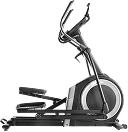 Setup Your Space
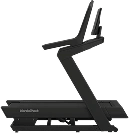 Cardio
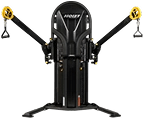 Strength
 Weights
 Benches
 Game tables
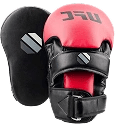 Boxing
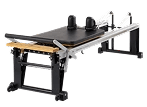 Yoga
Yoga
 Sports
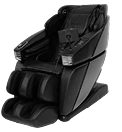 Massagers
 Balance Training
 Accessories
 Flooring








 Treadmills
 Elliptical Cross Trainers
 Exercise Bikes
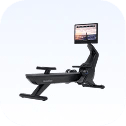 Rowing Machines
 Climbmill & Steppers
 Interactive Trainers
 Athletics
Squash
Athletics
Squash
 Handball
 Padel Tennis
 Cricket
 Football
 Badminton
 Chess
Chess
 Swimming
 Tennis
 Rugby
Rugby
 Agility Training
 Netball
 Volleyball
 Kids Games
 Throwball
 Basketball
 Bottles & Hydration
 Training & Gym Gloves
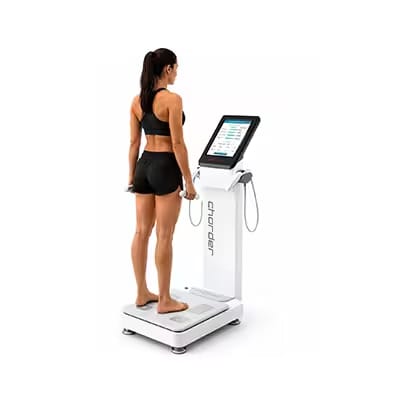 Body Composition Analyzers
 Wellness Support
 Battle Ropes
 Resistance Bands & Tubes
 Ankle and Wrist Weights
 Exercise Mats and Gym Mats
 Fitness Belts
 CrossFit Training Turf
 Sweatbands
 Sit Up Bars
 Skipping Ropes
 Push Up Bars
 Pedometers
 Suspension Slings
 Hula Hoops
 Stopwatch
 Pull Up Bars
 Timer
Timer
 Aerobic Steps
 Weighted Vests
 Plyo Box
 Door Gyms
 Gym Balls
 Gym Rings
 Fitness Tires
 Hand Grips
 Body Strengthener






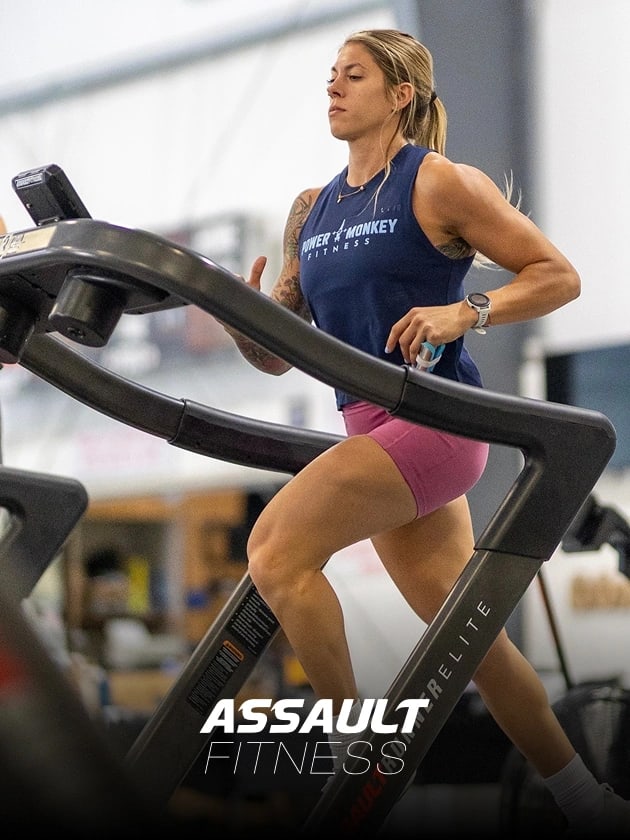













 0
0